Kinshasa
Kinshasa
Welcome to Kinshasa, one of Africa's largest and most electrifying cities, where the mighty Congo River forms its dramatic western border.
Explore: Kinshasa

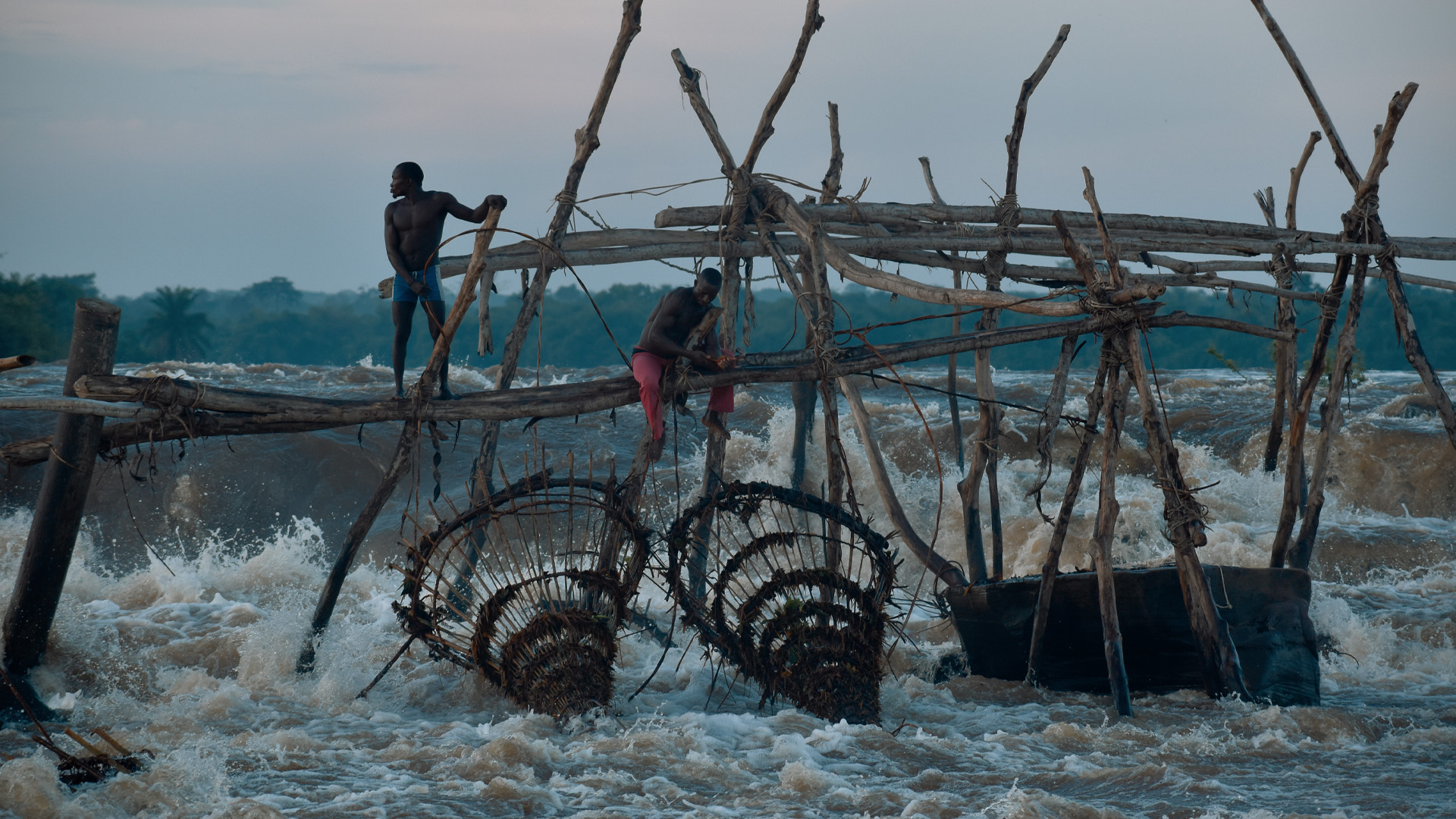
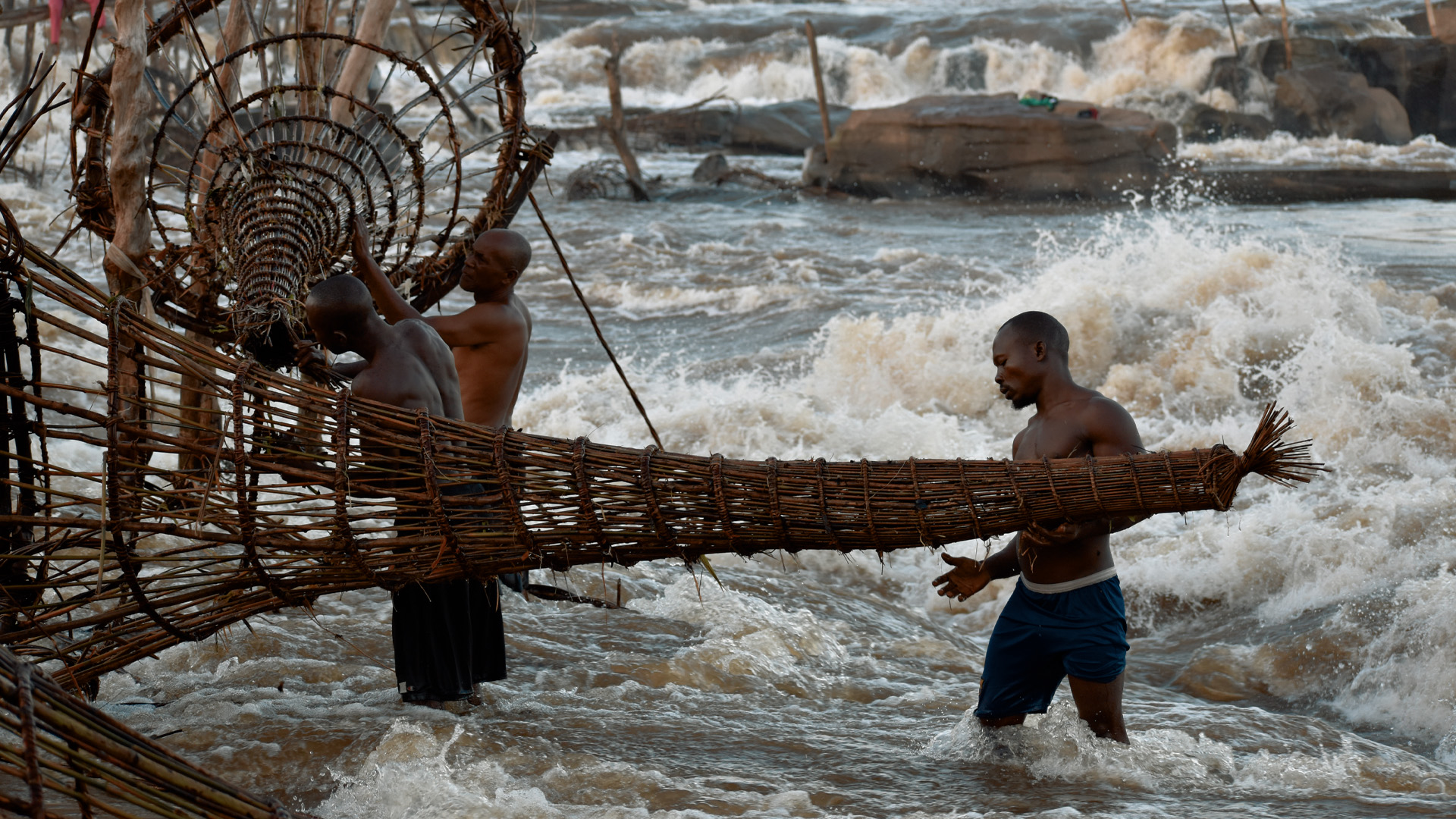
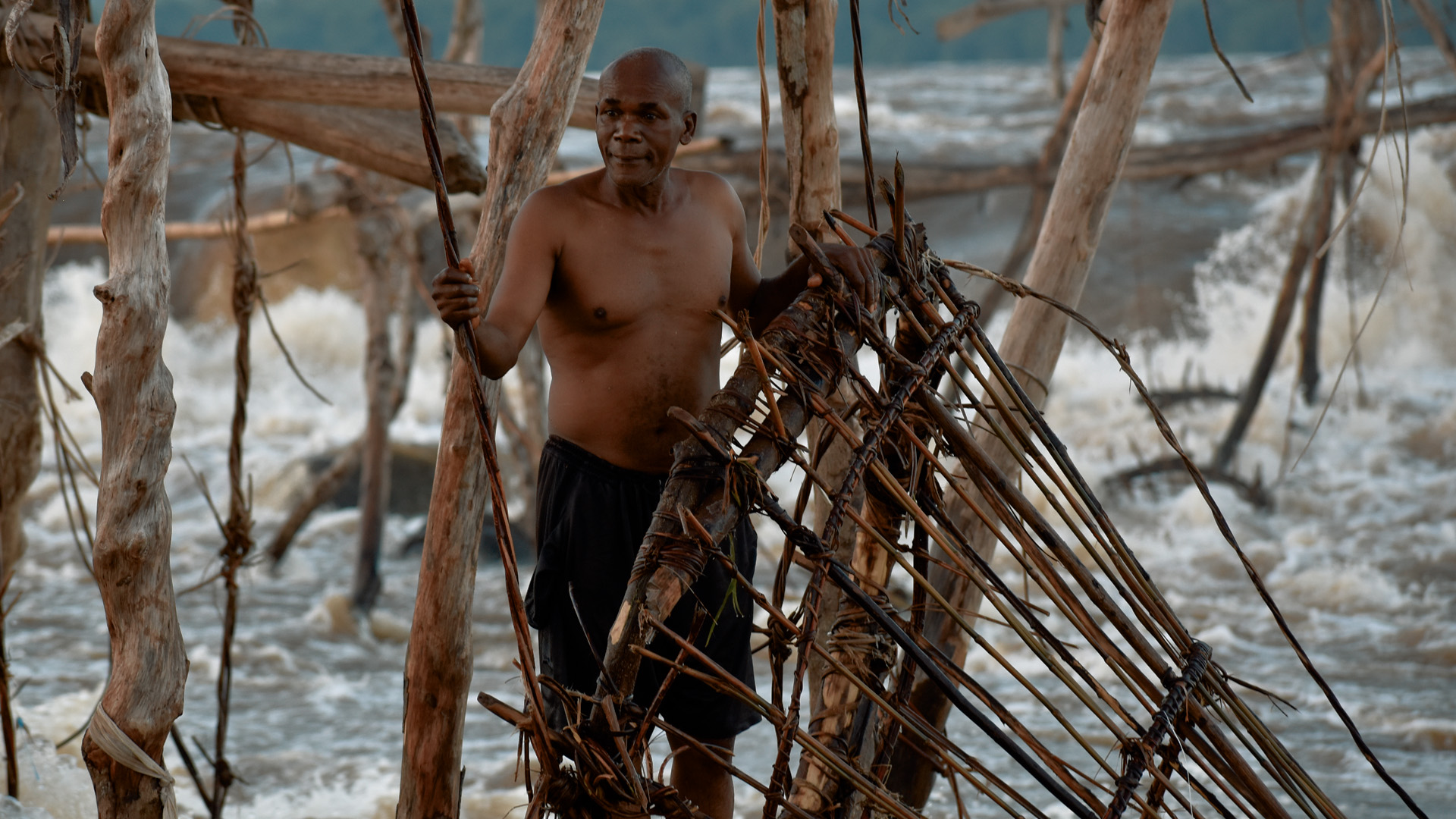
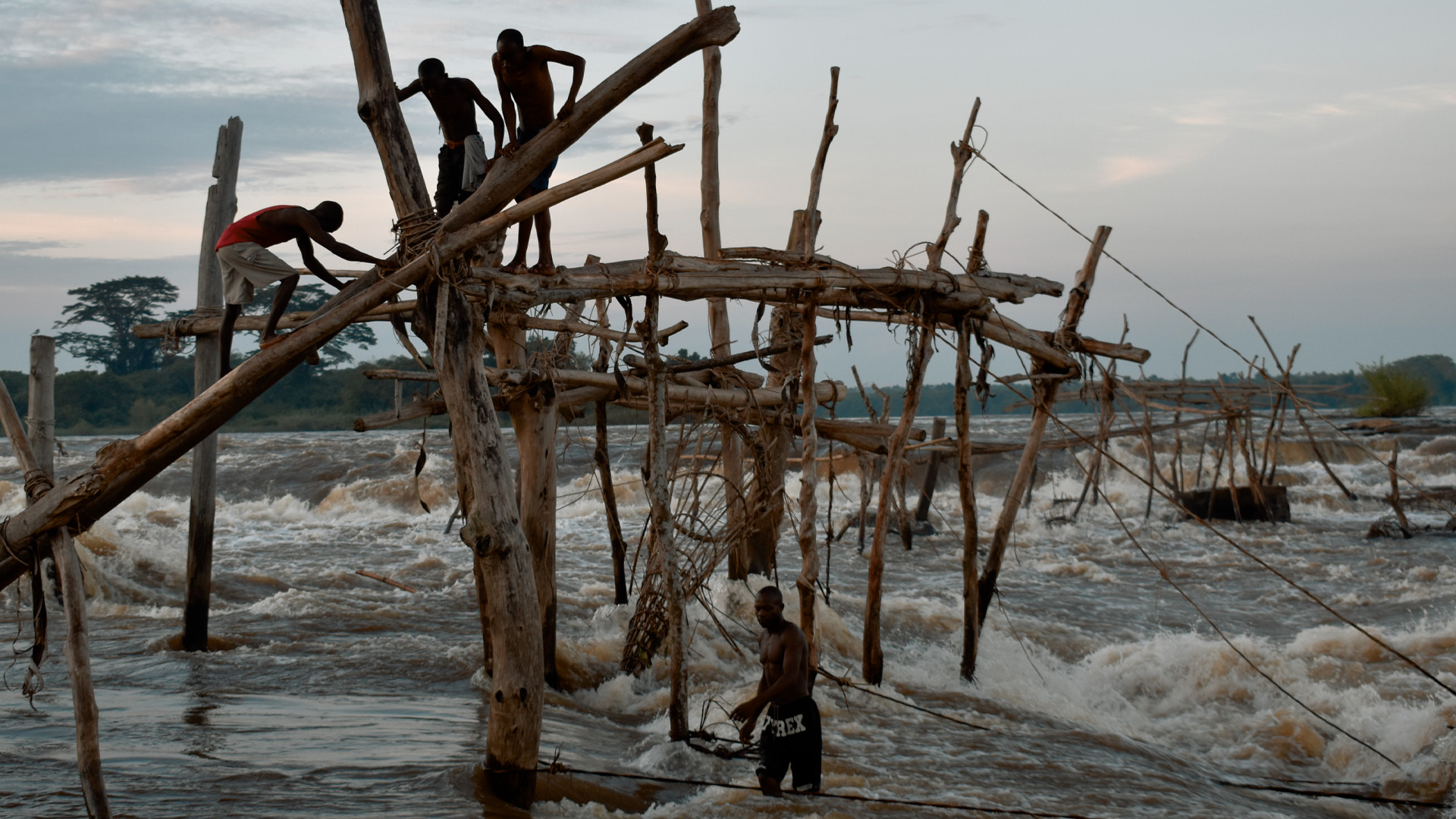


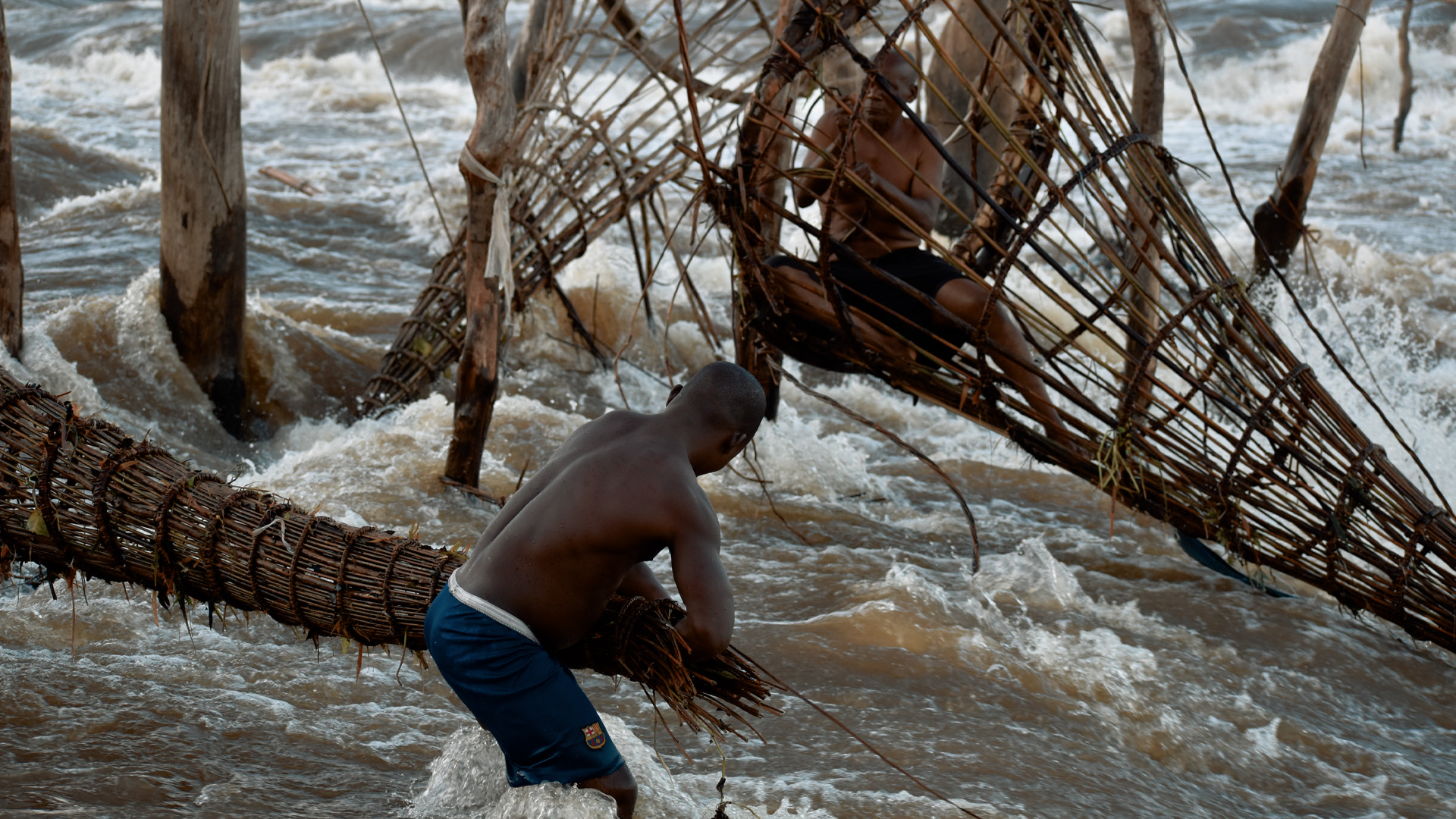
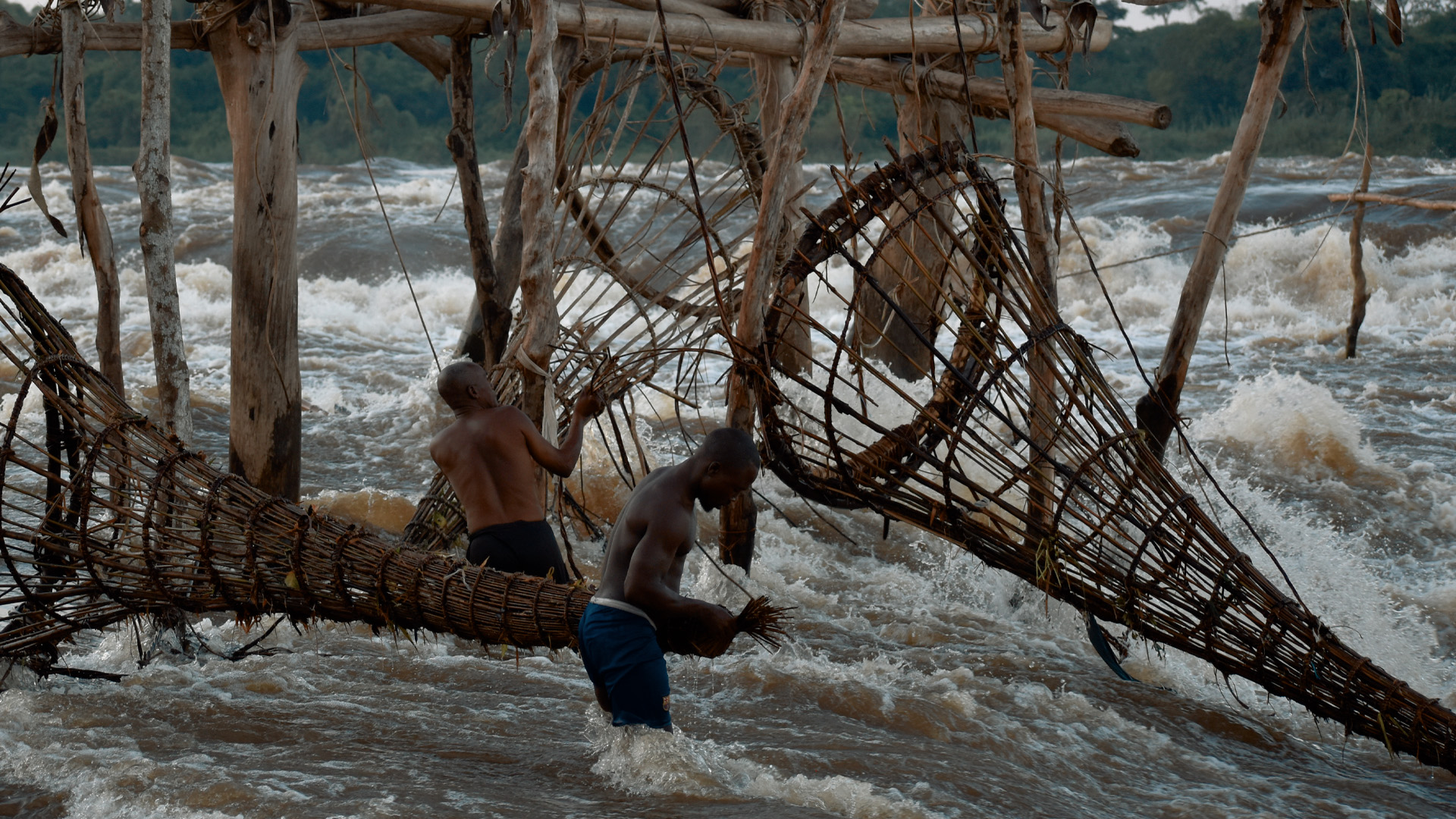

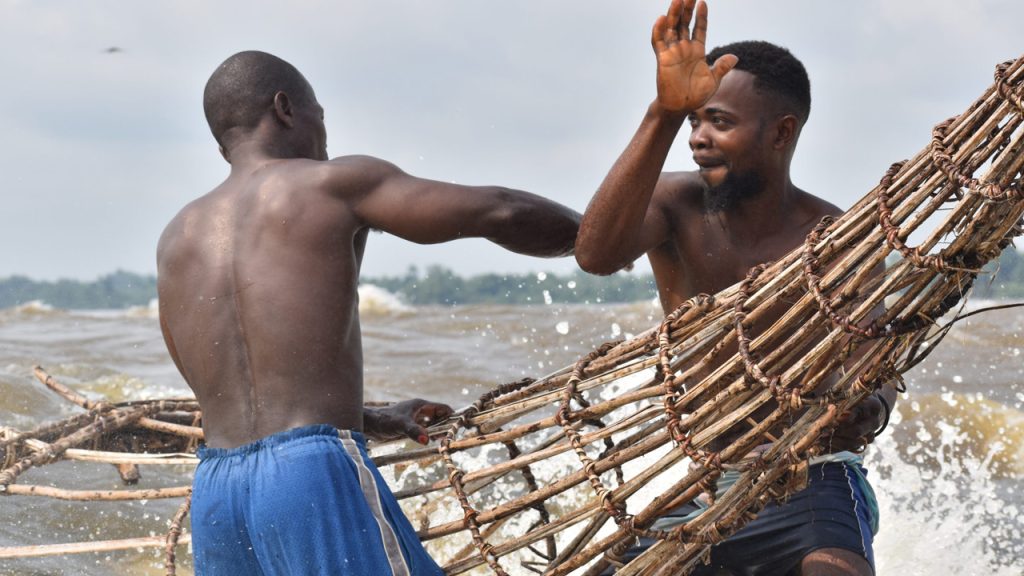
Kisangani is a city shaped by the enduring spirit of its people — a diverse community of river traders, fishermen, artisans, and elders who carry forward centuries of history. The Wagenia fishermen are the city's most iconic figures, renowned for their daring acrobatics as they balance on wooden tripods above the thundering rapids of Boyoma Falls, lowering massive baskets into the churning water. Elsewhere, the warmth of local hospitality, the rhythm of daily market life, and the deep knowledge of indigenous communities like the Bambuti Pygmies offer visitors genuine and unforgettable human connections.
Kisangani's greatest treasures lie in its dramatic natural setting and layered history. The Boyoma Falls (formerly Stanley Falls) form the centerpiece — a spectacular series of seven cataracts where the Lualaba River plunges 61 meters over more than 100 kilometers, ranking among the world's most powerful waterfalls by volume. The mighty Congo River defines the city's rhythm, offering serene boat cruises and a historic river port that has connected this region to the world for over a century. Within the city, colonial-era architecture, the central cathedral, and the iconic Stanley Fountain whisper stories of a bygone era, while nearby Tshopo Falls and the Yangambi Research Station extend the adventure into pristine rainforest.
Tourism in Kisangani serves a powerful purpose: to open a window onto a Congo that few outsiders ever witness. This is a city where history, nature, and living tradition converge — far from the typical tourist trail. Purposeful travel here means engaging respectfully with indigenous communities, learning about their deep connection to the forest, and experiencing the raw power of the Congo River firsthand. By visiting with curiosity and cultural sensitivity, travelers help preserve heritage, support local livelihoods, and contribute to a more authentic and nuanced image of the DRC.
The impact of responsible tourism in Kisangani reaches deep into local communities. Visitor spending supports fishermen, market vendors, guides, and artisans, while cultural exchanges help sustain traditional practices and knowledge. The annual Kongo River Festival — celebrated each July with boat races, concerts, and village fairs — showcases how tourism can amplify local culture and pride. Every traveler who ventures here becomes part of a larger story: one that celebrates resilience, preserves heritage, and demonstrates that Kisangani is not merely a place on the map, but a living, breathing chapter of Africa's greatest river.


Welcome to Kinshasa, one of Africa's largest and most electrifying cities, where the mighty Congo River forms its dramatic western border.
Explore: KinshasaThe primary gateway to the world-famous mountain gorillas of Virunga National Park, Goma offers a unique blend of adventure and resilience .
Explore: GomaWelcome to Kisangani, once known as Stanleyville, a city where history and nature converge on the great bend of the Congo River.
Explore: KisanganiGo beyond the surface to understand the real Congo — its economy, its people, and its untold stories.
Explore: LubumbashiBumba is a working river town where the Congo is not simply part of the landscape — it shapes trade, movement and everyday life.
Explore: BumbaIsangi sits at one of the most striking river junctions in northern DRC, where the Lomami flows into the Congo.
Explore: IsangiTravel to Yangambi offers something rare: the opportunity to experience the rainforest not only as wilderness, but as a landscape shaped by decades of scientific research and conservation.
Explore: Yangambi


