Kinshasa
Kinshasa
Welcome to Kinshasa, one of Africa's largest and most electrifying cities, where the mighty Congo River forms its dramatic western border.
Explore: Kinshasa

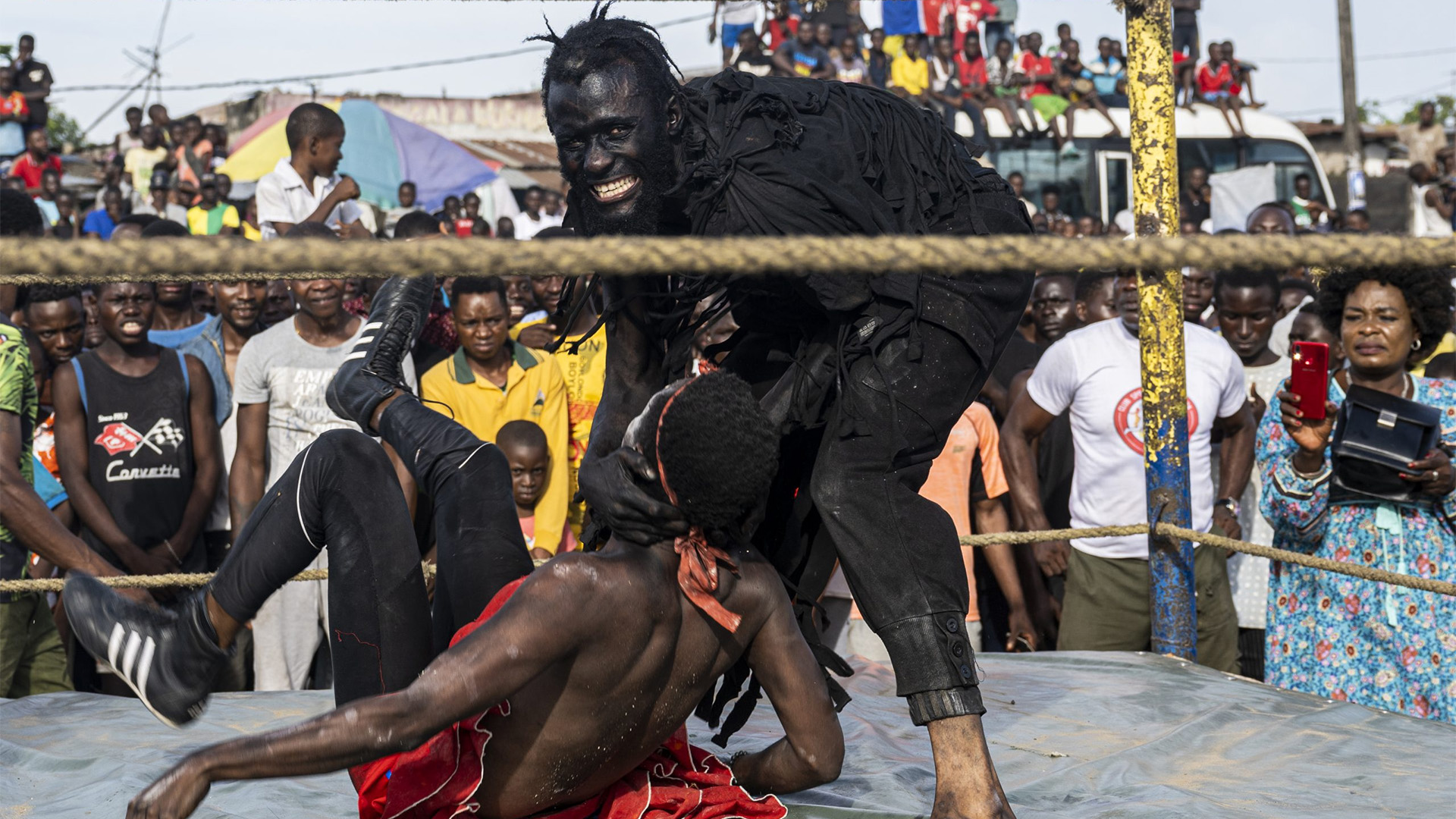



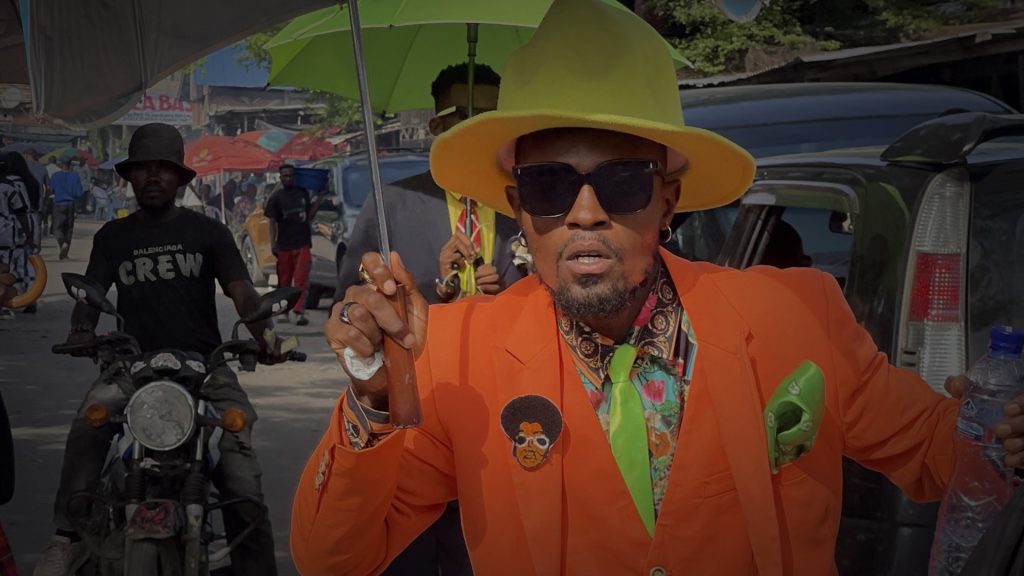
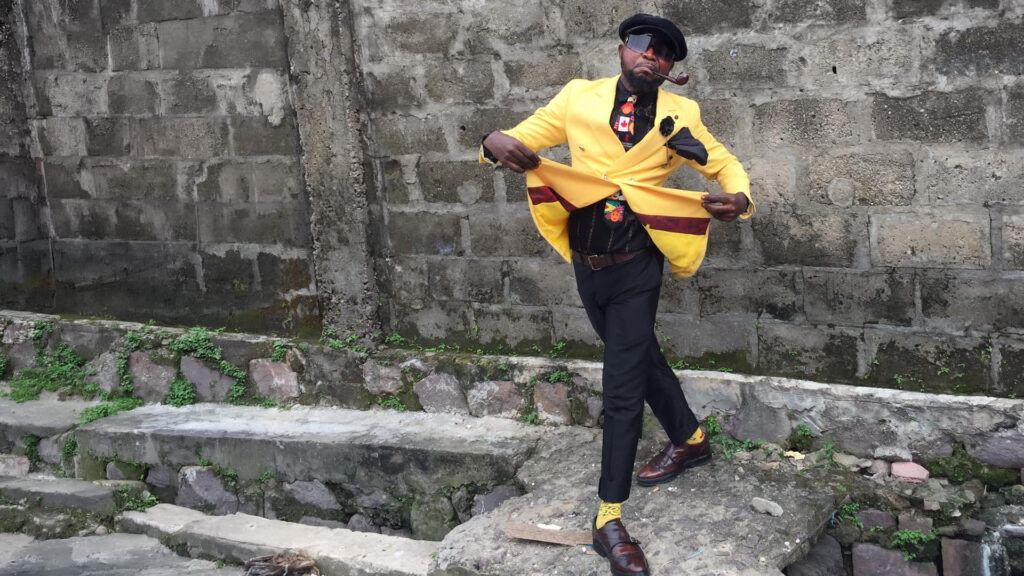
Kinshasa is a city of extraordinary human energy, home to over 17 million people who collectively define its character. The Congolese capital pulses with the creativity of its musicians, artists, and fashion icons — most famously the Sapeurs, elegantly dressed men and women who transform style into art and philosophy. Street vendors, market traders, and taxi drivers navigate the city's chaos with ingenuity and humor. Amidst the challenges of daily life, the warmth and resilience of Kinshasa's people shine through, offering visitors an authentic and deeply human experience.
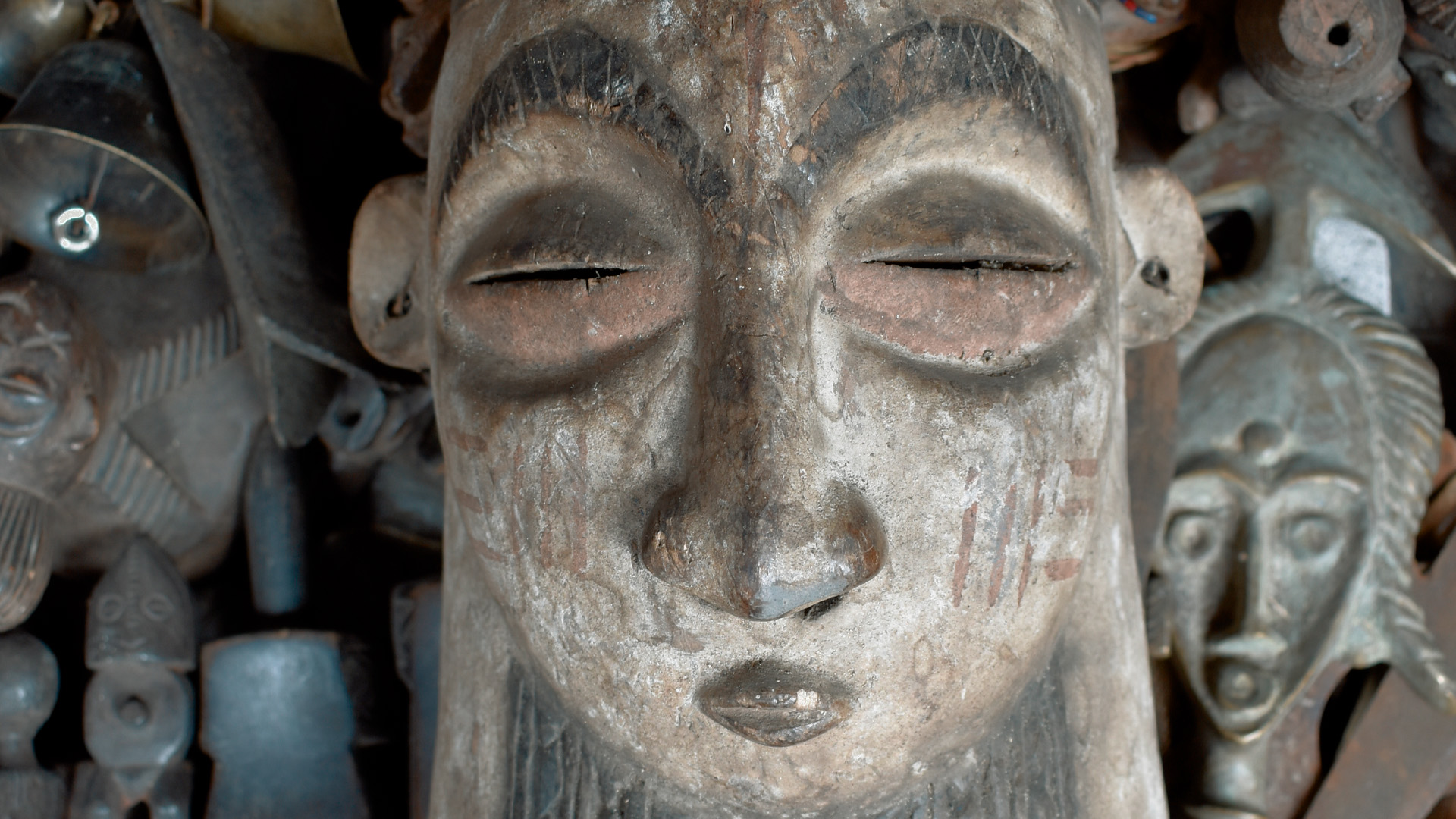
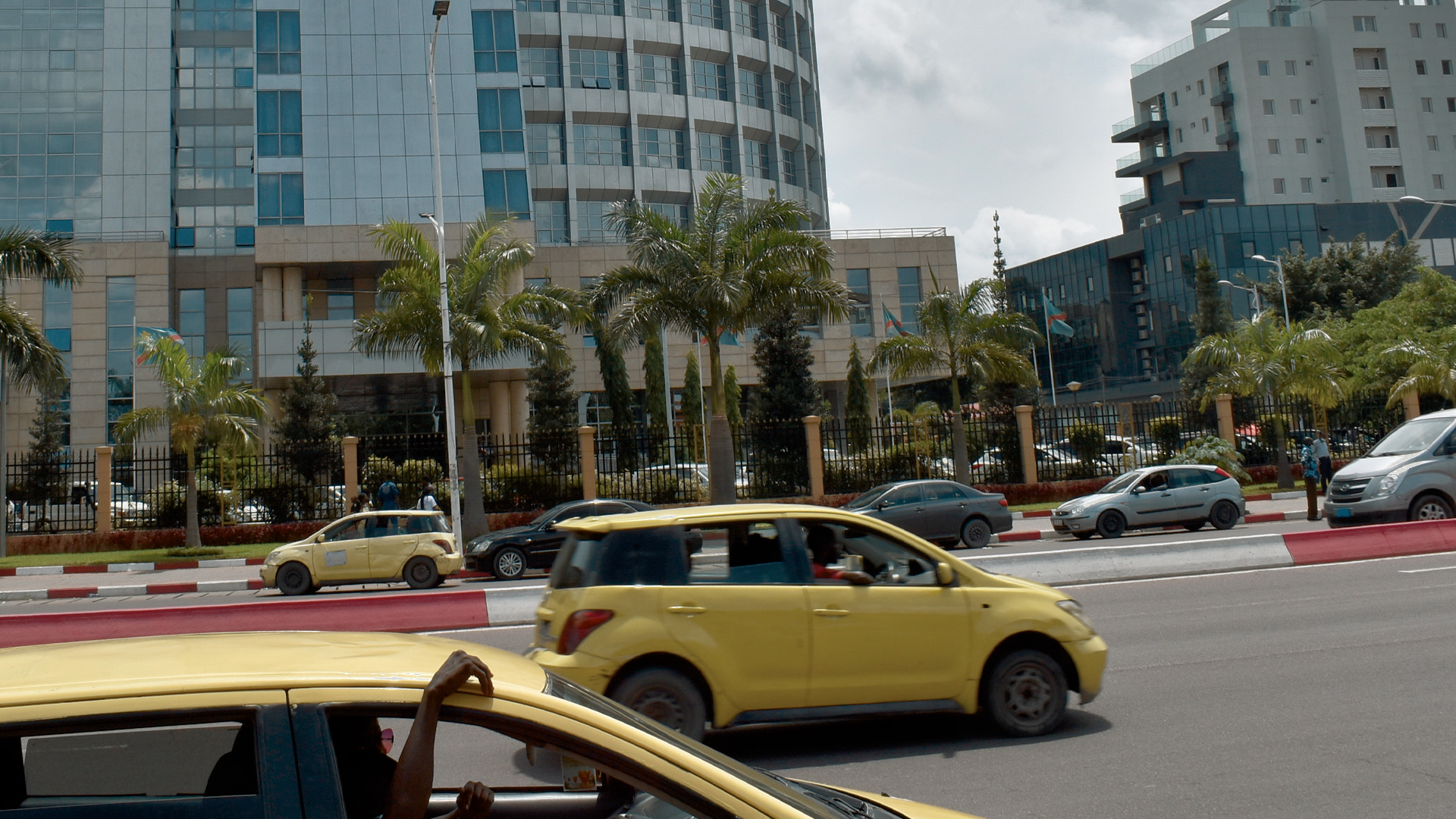
Kinshasa's landmarks reflect its rich and complex history. The National Museum of the DRC houses an impressive collection of traditional art and artifacts, offering a window into the nation's cultural heritage. Lola ya Bonobo, a sanctuary just outside the city, rescues and rehabilitates orphaned bonobos — our closest living relatives. The bustling Marché Central overflows with colorful fabrics, crafts, and local produce. Along the Congo River, the city's lifeblood, visitors can enjoy boat trips, riverside dining, and views across to Brazzaville. Neighbourhoods like Gombe offer a cosmopolitan contrast with diplomatic missions, restaurants, and galleries.
Tourism in Kinshasa serves a vital purpose: to reveal a side of the Congolese capital that rarely makes headlines. Beyond political challenges and infrastructure gaps lies a city of extraordinary cultural wealth, artistic innovation, and entrepreneurial spirit. Purposeful travel here means engaging with local communities, supporting grassroots cultural initiatives, and experiencing the authentic rhythms of Congolese urban life. By visiting Kinshasa with curiosity and respect, travelers contribute to a more nuanced global understanding of the DRC — and help build a foundation for sustainable tourism that benefits local people.
The impact of tourism in Kinshasa is felt in tangible and meaningful ways. Visitor spending supports local artisans, musicians, guides, and small businesses. Cultural institutions like the National Museum and Lola ya Bonobo receive essential revenue that sustains their conservation and education work. Community-based tourism initiatives create jobs and empower local entrepreneurs, particularly in the arts and hospitality sectors. Perhaps most importantly, every visitor who explores Kinshasa helps challenge stereotypes and showcases the city's vibrant potential — contributing to a narrative of hope, creativity, and resilience that benefits all who call this extraordinary city home.


Welcome to Kinshasa, one of Africa's largest and most electrifying cities, where the mighty Congo River forms its dramatic western border.
Explore: KinshasaThe primary gateway to the world-famous mountain gorillas of Virunga National Park, Goma offers a unique blend of adventure and resilience .
Explore: GomaWelcome to Kisangani, once known as Stanleyville, a city where history and nature converge on the great bend of the Congo River.
Explore: KisanganiGo beyond the surface to understand the real Congo — its economy, its people, and its untold stories.
Explore: LubumbashiBumba is a working river town where the Congo is not simply part of the landscape — it shapes trade, movement and everyday life.
Explore: BumbaIsangi sits at one of the most striking river junctions in northern DRC, where the Lomami flows into the Congo.
Explore: IsangiTravel to Yangambi offers something rare: the opportunity to experience the rainforest not only as wilderness, but as a landscape shaped by decades of scientific research and conservation.
Explore: Yangambi


