The key principles are simple
September 2026
Is the DRC Safe to Visit? A Practical Guide to Travel in Congo
The Democratic Republic of Congo is one of the most extraordinary countries in Africa — and also one of the most misunderstood.
For travelers considering a journey to the DRC, one question usually comes before all others: Is the Congo safe to visit?
The most accurate answer is that travel conditions vary enormously across the country.
The DRC is roughly the size of Western Europe. Conditions in Kinshasa, Lubumbashi, Kisangani, the Congo River basin and eastern provinces can be completely different from one another. Treating the entire country as a single travel environment therefore gives a misleading picture. Travel in the Congo requires preparation, current local information and realistic expectations.
Safety in the DRC Depends on Where You Travel
Regional differences are one of the most important things to understand before planning a journey.
Some parts of the country experience armed conflict or serious instability and should not be considered normal tourism destinations. Conditions can also change quickly because of political developments, demonstrations, transport disruptions or local security incidents. Other regions can be accessible with appropriate planning, experienced local coordination and a carefully designed itinerary.
For this reason, a journey to Kinshasa or southern DRC should not automatically be assessed in the same way as travel to an area affected by active conflict. Always check current official travel advice for the specific provinces and cities included in your itinerary.
Is Independent Travel in Congo a Good Idea?
The DRC is not an easy destination for spontaneous independent travel. Even where security is not the primary concern, travelers may encounter challenges.
Travel becomes significantly easier when transport, accommodation, permits and local contacts have been arranged in advance.
This becomes even more important when traveling beyond major cities or undertaking river and overland expeditions.
Challenges
- limited transport infrastructure
- unpredictable domestic flight schedules
- long road journeys
- language barriers
- checkpoints and local access requirements
- limited accommodation outside major cities
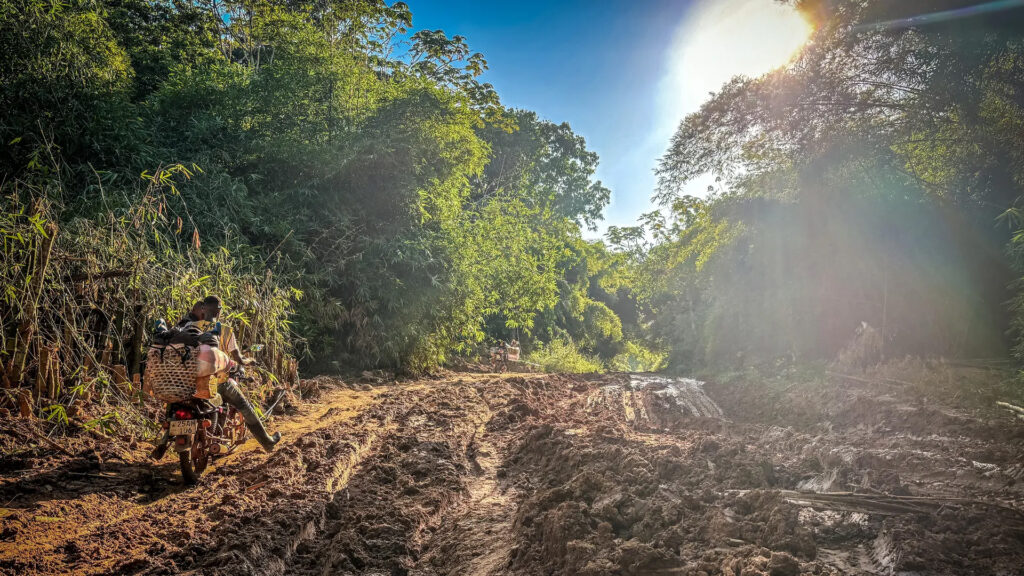
- changing road conditions
- unreliable mobile or internet connectivity
Traveling in Kinshasa
Kinshasa is the country’s capital and largest international gateway.
It is a vast and energetic city where normal urban precautions are important. Visitors should pay attention to their surroundings, avoid displaying valuables, use trusted transportation and avoid demonstrations or large political gatherings.
Traffic can also be a major practical challenge. Journeys across the city can take considerably longer than expected, particularly during busy periods.
Working with a trusted driver or local team makes movement around the city much easier.
Traveling Outside Major Cities
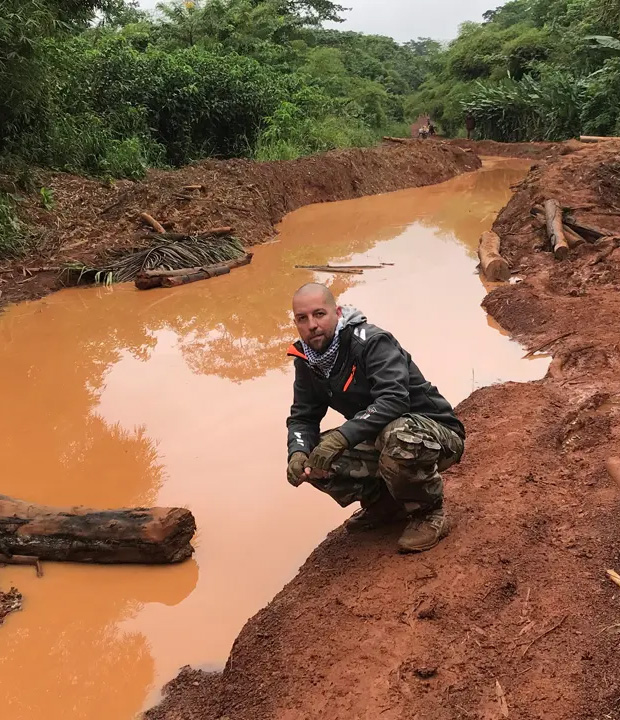
Conditions change quickly once you leave major urban centers.Road quality can range from paved highways to tracks that become extremely difficult during heavy rain. Journeys that appear short on a map can take many hours.
Remote travel may also involve limited accommodation, medical facilities and communications.
For this reason, expeditions need contingency planning. Fuel, transport, accommodation, food, local access and communication should all be considered before departure.
Flexibility is part of traveling in the Congo.
What about eastern DRC?
Eastern Congo requires particular attention.
Parts of North Kivu, South Kivu, Ituri and neighboring regions have experienced ongoing armed conflict and rapidly changing security conditions. Some governments currently advise their citizens against travel to several eastern provinces.
Travelers should never assume that an itinerary that was possible previously remains possible today.
Conditions must be assessed at the time of travel.
Congo Local Guides does not operate an itinerary simply because it has been offered in the past. Access, security and logistics are reviewed according to current circumstances.
Health Preparation Is Part of Travel Safety
Travel safety in the DRC is not limited to crime or conflict. Health preparation is equally important.
Malaria is present throughout the country, and travelers should speak with a qualified travel-health professional about appropriate prevention before departure.
A valid Yellow Fever vaccination certificate is generally required for entry into the DRC.
Depending on your itinerary, your doctor may also recommend additional vaccinations or preventive measures.
Travelers visiting remote regions should also consider insurance that includes appropriate medical treatment and emergency evacuation.
Transport and Road Safety
private vehicles
domestic flights
motorboats
larger river vessels
motorcycles
walking
Travel Insurance
- the Democratic Republic of Congo
- the specific regions on your itinerary
- your planned activities
- medical treatment
- emergency evacuation where appropriate
- trip interruption or cancellation where required
So, Is the DRC Safe to Visit?
- check current official travel advice
- plan routes carefully
- use reliable local transportation
- prepare for health risks
- allow flexibility in your itinerary
- respect local communities and authorities
- work with experienced local contacts where appropriate
Planning a Journey to the DRC?
Congo Local Guides organizes specialist expeditions and tailor-made journeys across the Democratic Republic of Congo.
Our team combines local knowledge, field logistics and regional networks to design itineraries around current conditions rather than fixed assumptions.
Explore our Congo Expeditions, discover our Destinations, or contact us to discuss a tailor-made journey.