Kinshasa
Kinshasa
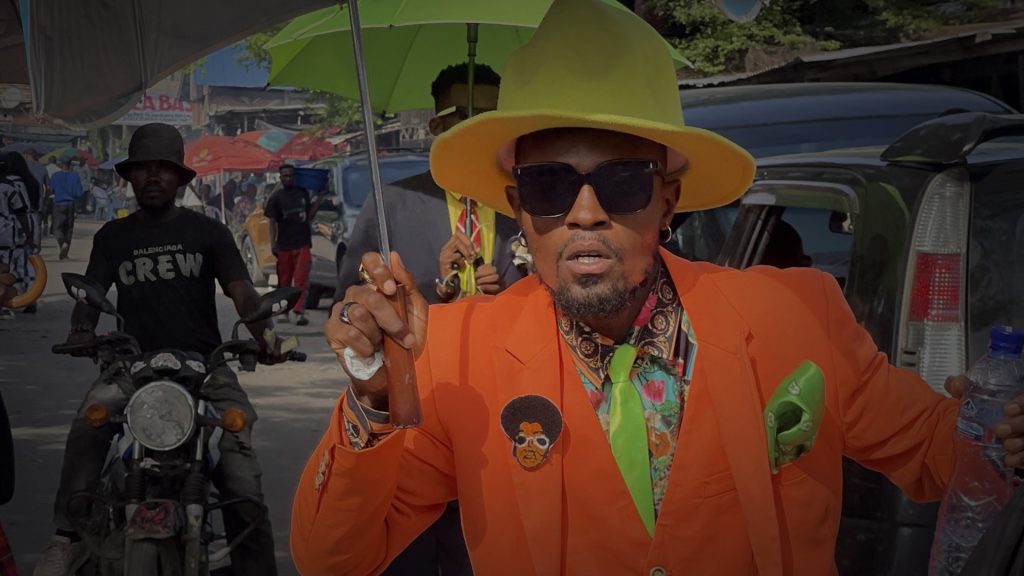
Welcome to Kinshasa, one of Africa's largest and most electrifying cities, where the mighty Congo River forms its dramatic western border.
Explore Destination: Kinshasa

Saturday, 08 May 2027: Arrival in Kinshasa , Pick up and transfer to the Hotel for Check-in.
Note: If the flight arrives in the morning, like before 9am, the city tour will be organized the same day. If the flight arrives in the afternoon, we are going to see Kinshasa by night and the city tour another day.

Sunday, 09 May 2027: Fly Kinshasa-Kisangani (11.00 am – 01.35pm).
At 3.00pm: Short City Tour, mainly visit Wagenia fishermen and experience original fishing (not demo) in the tumultuous water, visit of the cemetery of six day’s war (where was buried the victims of the war that occurred August 1999 – June 2000).
Early morning breakfast
6.00am to 11.00am (No Stop): Arrival in Yangambi, hotel check-in and register to INERA
Yangambi is a river city located in Northern Congo and 90kms western Kisangani. The city is one of the world’s largest tropical forests with 4,000 ha of biosphere reserve. Yangambi City developed itself from a research station, the National Institute of Agricultural Studies and Research (INERA). Included in highlights of the visit:
This will take two full days sailing. This offers an opportunity to stop to numerous villages/islands on the river, plus 4 nights in the nature in very small villages of less than ten people. A way to feel the Congo authentic life and experience traditional fishing. Depending on our time, we can take part to an outing in the forest for hunting. Will also be visited before Lisala and Bumba:
Visit of a protestant mission built in 1918 and yanga lake that remains mistakenly absent on the map despite its impressive beauty.
Topoke, Mogando, Mbesa Tribes experiences.
famous village for hunters and bushmeat market.
Several stops to islands including an overnight to a village between Mombongo and Yaolema where live Mbuza people, night hunting experience.
We’ll have up to 3 nights sleeping in jungle to very small islands: opportunity to relax, have fun, swimming and sunbath.
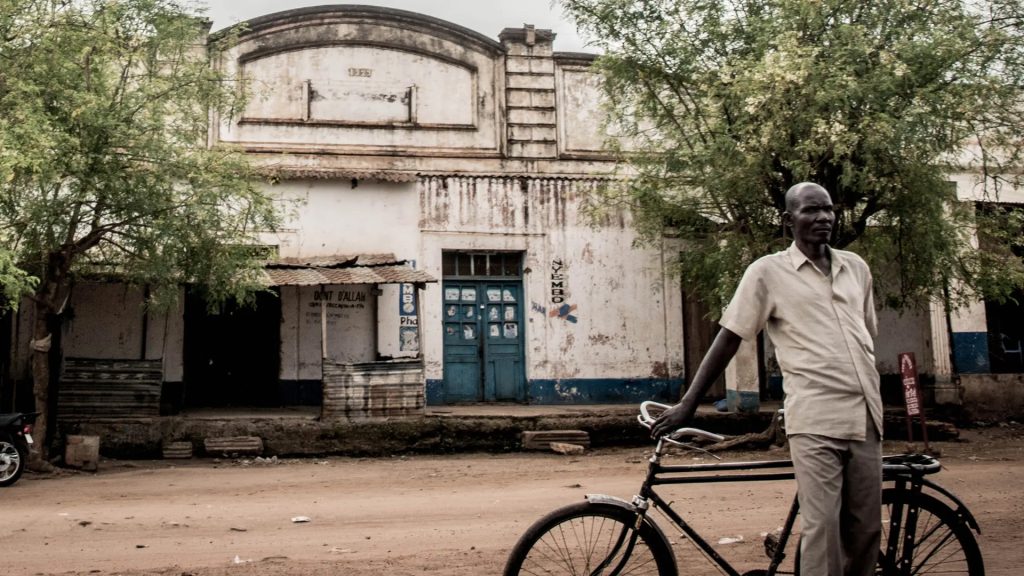
Imposing Cathedral, and abandoned Colonial Architecture
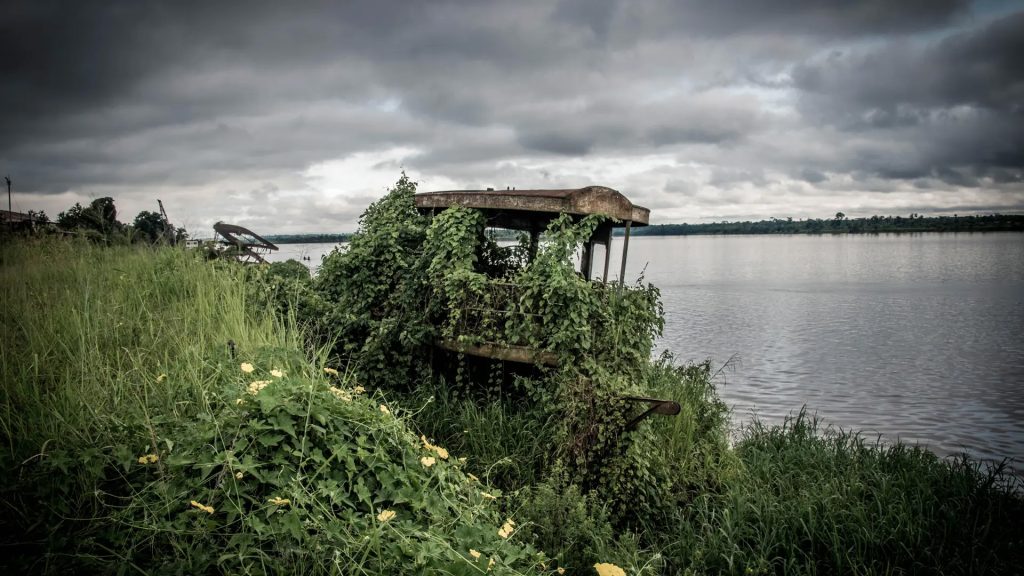
Imposing palaces of the former President Mobutu, with an incredible view to the river. Many of them are in ruins and one of them serving nowadays as a school, where students’ study in HORRIBLE conditions. They really need our support (books; pens, pencils, copy books, etc.).

Two full days drive with new authentic village experiences with locals and overnight [day 8] in Makandja, known as New Anvers. Free camping to the riverbank.
Arrival [Day 9] in Basankusu and overnight there in Catholic Mission.
Time of arrival depends on many factors (weather, controls along the way). However, it’s expected to arrive late in the evening.
Depart 08.00 after breakfast. This also is a full day sailing. If everything goes normal, the arrival is normally at 6.00pm.
The Lomako Faunal reserve has accommodation facilities in what look like guest house. Here we spend a night meeting the responsible of the site and get fixed on visit modalities.
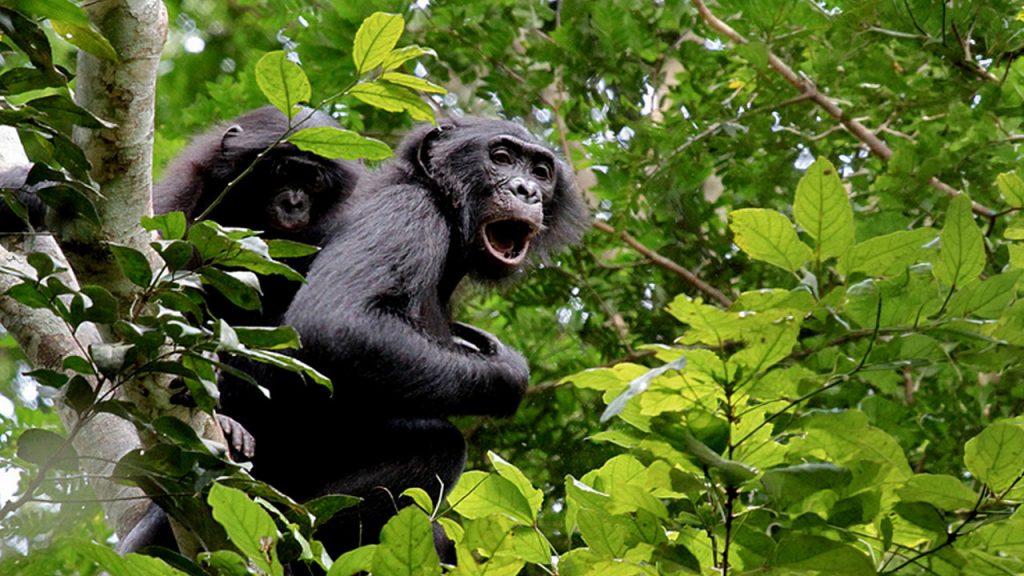
Today after having our breakfast, we’re transferring at 09.00am to the camping site that serves as the gate to enter the LYFR to see Bonobos. The site is 10 kms downstream Lingunda.
We’ll set up our tents here and leave early in the morning, around 05.00 am to witness Bonobos waking up in trees and following their everyday life.
On Day 14, we sail back to sleep in Lingunda to get ready for departure.
Depart 08.00 after breakfast. This also is a full day sailing. If everything goes normal, the arrival is normally at 6.00pm.
After breakfast, we rush to our boat and sail downstream Lolanga River (about 7-8 hours by boat based on weather conditions) to meet with Ngombe people. These people know how to live in the forest, hunting games and gather edible snails and caterpillars to supplement their diet. They also harvest firewood, rattan vines, and several palm tree products to use and to take to market. Small gardens provide yams and plantains for household use.
We arrive around late in the evening meet with the local chief to brief about our visit and if lucky we can witness series of Ngombe traditional rituals, initiations and ceremonies.

Today, after early breakfast, we’re attending the last of activities in the village before departing towards Mabako via Lopoko village, where live the last traditional Pygmies in the western part of DR Congo, the Balumbe.
Arrival at the Lopoko village around 5 p.m. Visit the local church. Night in tents nearby the church.
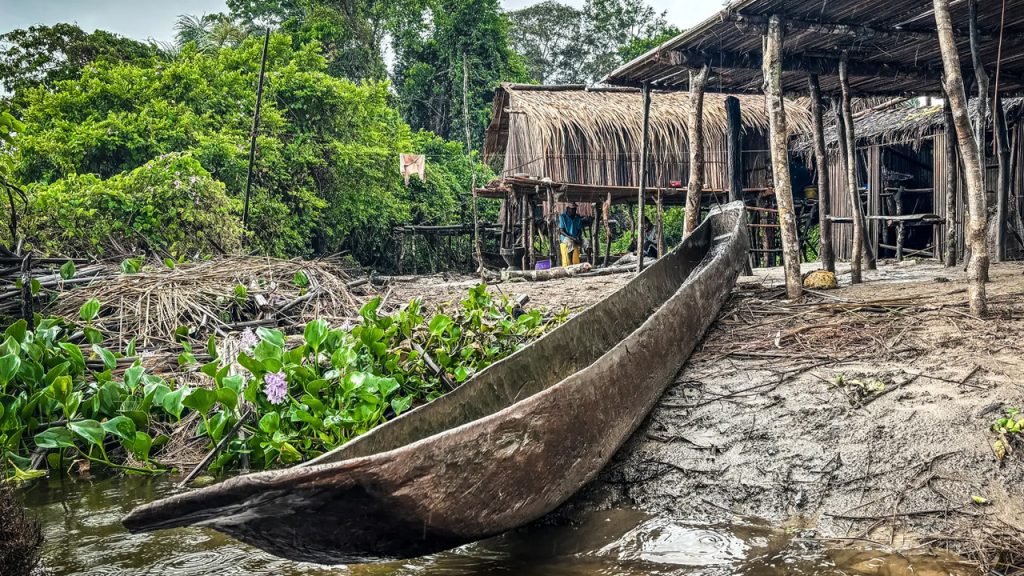
After breakfast, we leave the boat and we take the traditional canoe for an hour of navigation, then we will walk some 30-40 minutes to reach the Balumbe Pygmies village where we will stay one night.
Upon arrival, a welcome dance by the Balumbe Pygmies followed by a presentation of notables from the community and then a break. Around 2 p.m. after lunch, visit of the school, tour of the village and adult dance. Evening around the fire animated by children under 7 years old with the famous Isankele dance.
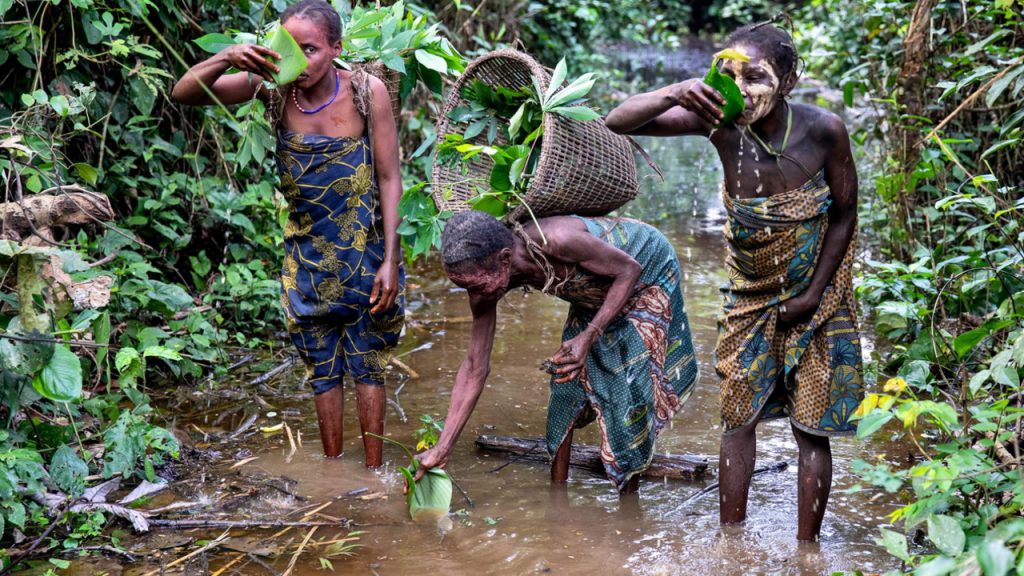
The Balumbe are a hunting and gathering pygmy tribe living in the primary forest of DR Congo. Nowadays, they are also dependent on fishing and farming.
After breakfast, we go out into the forest with Pygmies in order to observe hunting and traditional collecting wild bees’ honey from the high trees, and also to discover Balumbe’s knowledge of medicinal plants.
Say goodbye to Balumbe and return to Lopoko village. Take the boat back to Mbandaka downstream Lolanga and Congo rivers. Arrival late in the evening.
After breakfast, if weather conditions and time permit, we optionally visit two Lokele villages to meet the tattooed old women. The visit may last up to three hours before crossing back to Mbandaka and take the road to the south of the city for the Mooto village with a stopover at the crossing of the Equator line. Mooto is an old Catholic mission established since 1960. Pitching and installation of tents, then visit of the mission, the cathedral and meeting with the village chief and free evening.
After breakfast, we take the vehicle to go to the Iyembe village to discover the Walléé women. Wallee is a special status of the women, who have just brought a baby, and it has very special visual expression. It is unique feature of the tribes in this region.
Return to Mbandaka. Option to experience the atmosphere of Mbandaka and exhibit a few dance steps.
If the flight departs for Kinshasa at 4.10 pm as usual, the program may look as follows. If visit to Lokele villages was not done on Day 8, after breakfast, we visit the 2 villages to meet the tattooed old women. The visit may last up to three hours before crossing back to Mbandaka for lunch.
In the afternoon (12.45 pm or so), transfer to Mbandaka airport. 1 hour flight to Kinshasa with scheduled flight. Next day: Transfer to Kinshasa international Airport – End of Service


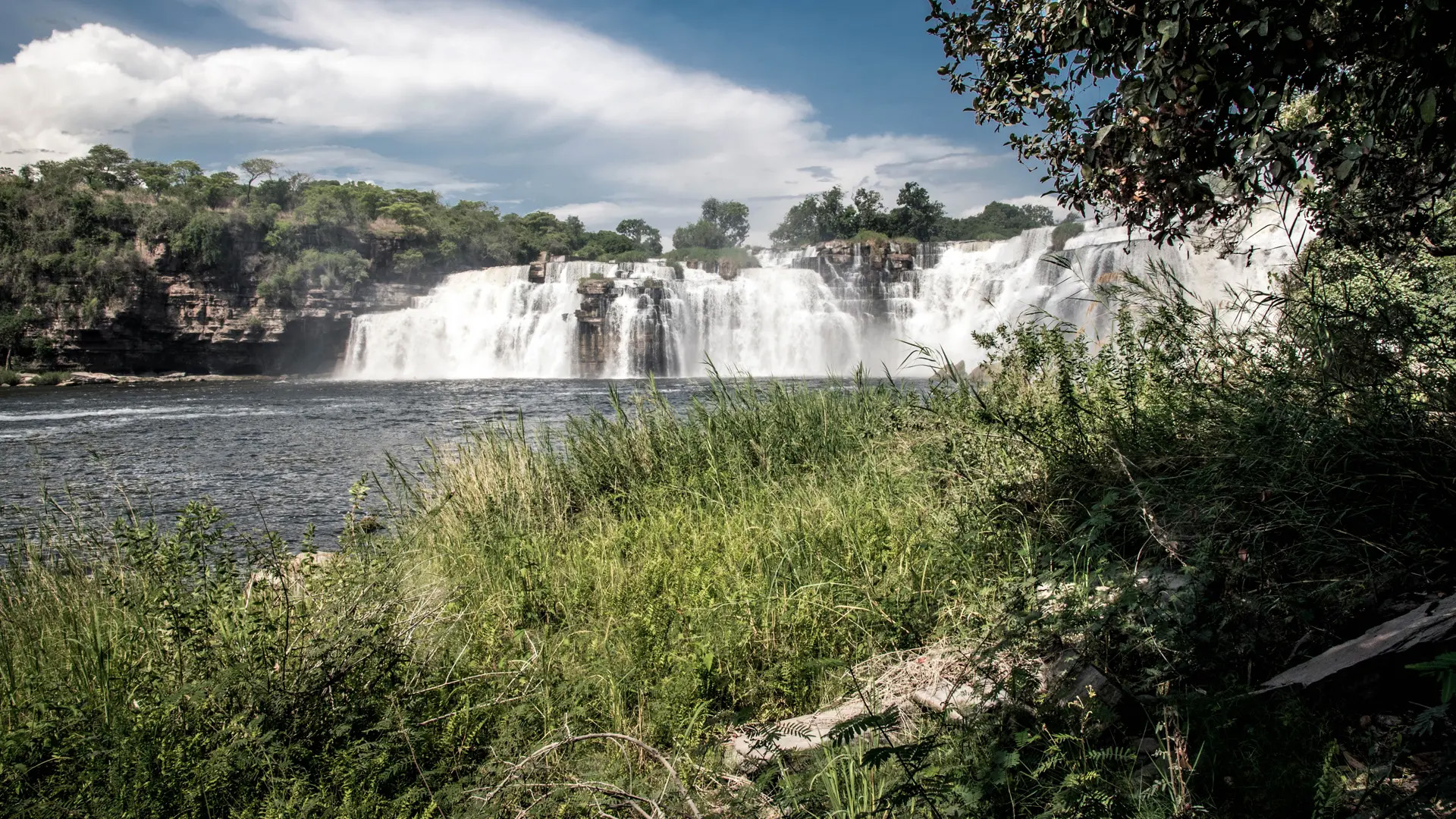
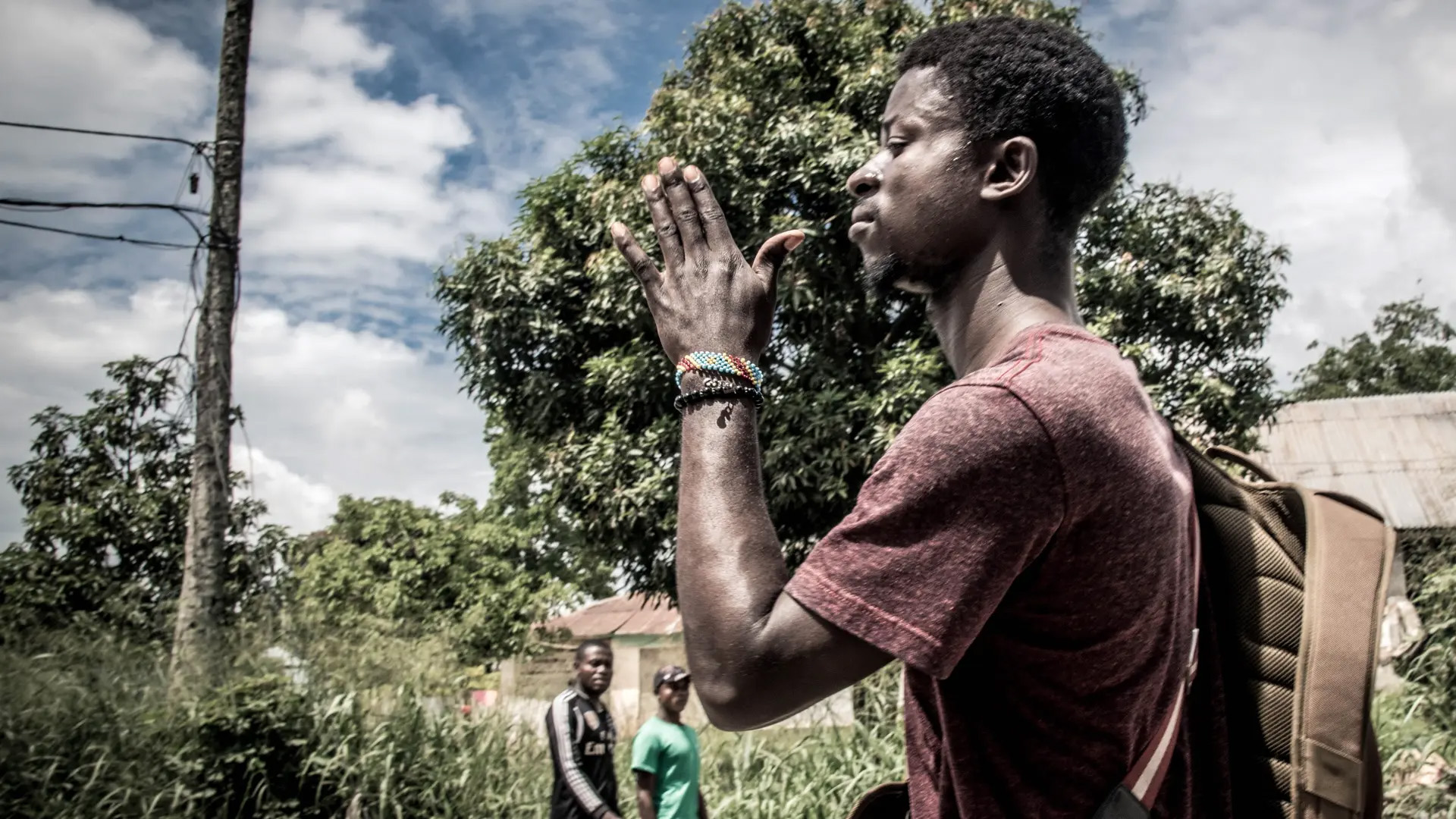
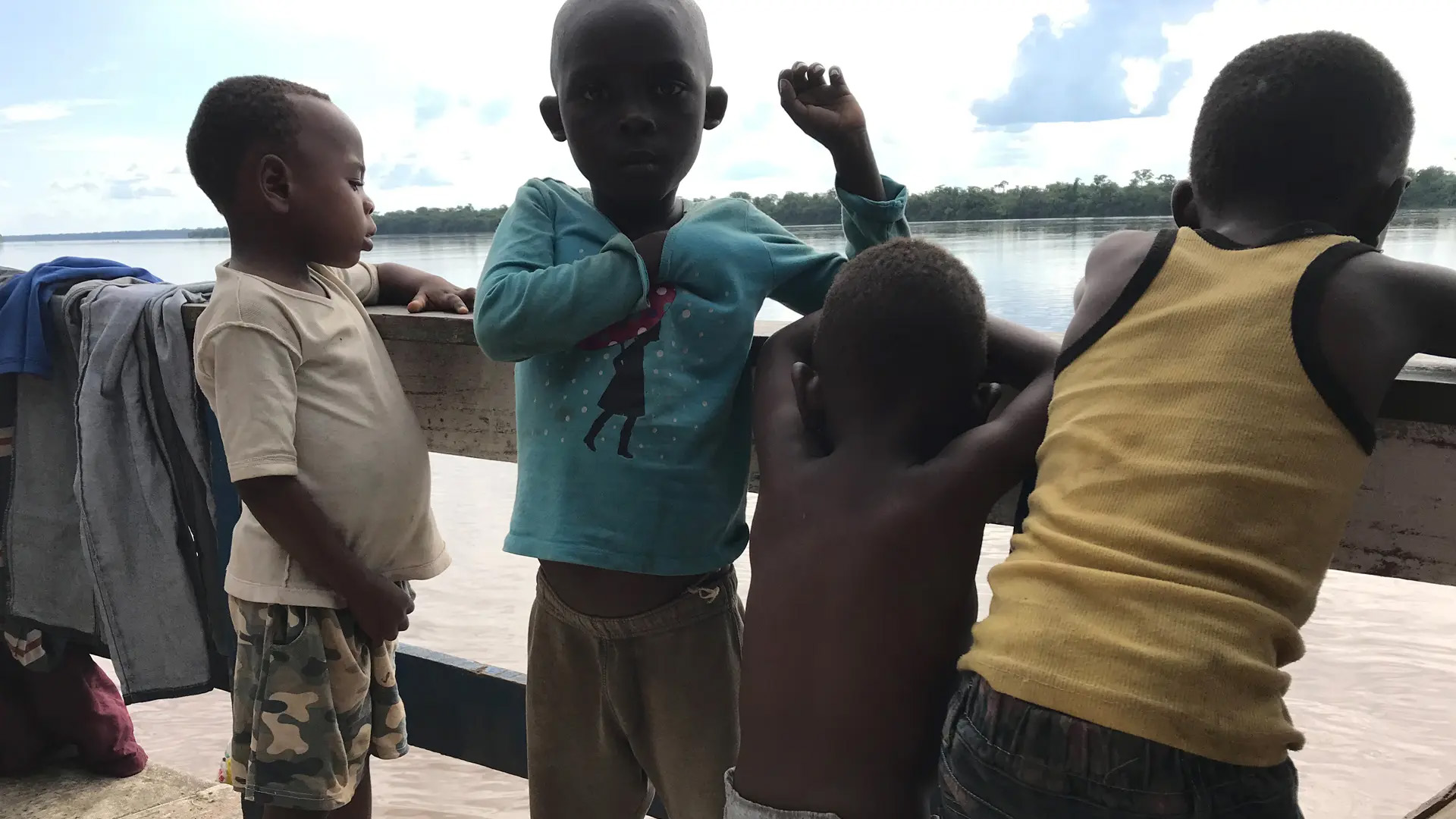
Discover the places, landscapes and regions that shape this expedition.
Welcome to Kinshasa, one of Africa's largest and most electrifying cities, where the mighty Congo River forms its dramatic western border.
Explore Destination: KinshasaWelcome to Kisangani, once known as Stanleyville, a city where history and nature converge on the great bend of the Congo River.
Explore Destination: Kisangani