Kinshasa
Kinshasa
Welcome to Kinshasa, one of Africa's largest and most electrifying cities, where the mighty Congo River forms its dramatic western border.
Explore Destination: Kinshasa

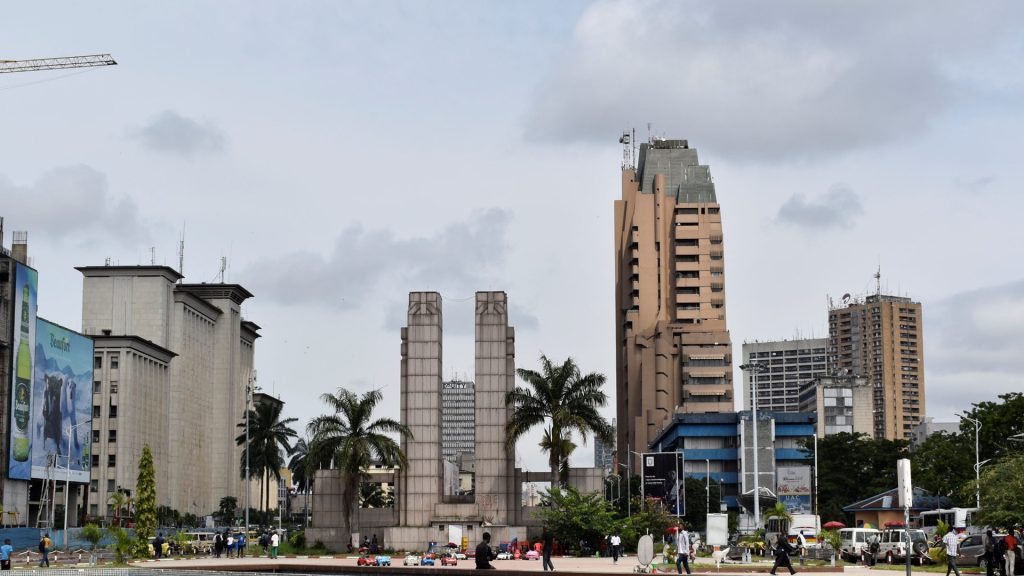
Arrive in Kinshasa, DR Congo’s capital and the fastest growing city in Africa with almost 20 million residents. Transfer to Ixoras Hotel or similar.
After early breakfast, from 5.00 am drive to Tata Gonda Land (Arrive at 08.00am), a religion that is mixture of Animistic and Christian beliefs. Tata Gonda In the depths of the Central Congo province, the followers of the now dead prophet Tata Gonda live in total autarchy. Today, several hundred voluntary followers from Congo and Angola continue to follow the spiritual path of their “guru”. Their purpose is to combat an unjust and sinful world through continuous prayer and an austere, monastic life. We will visit their headquarters, far away from prying eyes, if we are allowed to do so. In total privacy, this community live self-sufficiently according to their beliefs. They do community work, have vegetable gardens, a river with drinking water, a fish farm, prayer facilities, dormitories and everything else these “tropical Franciscans” could need. Activities with Tata Gonda may last up to 4 hours. Early in the afternoon, drive to Kinshasa.
Highlights:
Lumumba Mausoleum
Mzee Laurent Desire Kabila mausoleum
People’s Palace
National mausoleum of Kinshasa
Handicraft local market
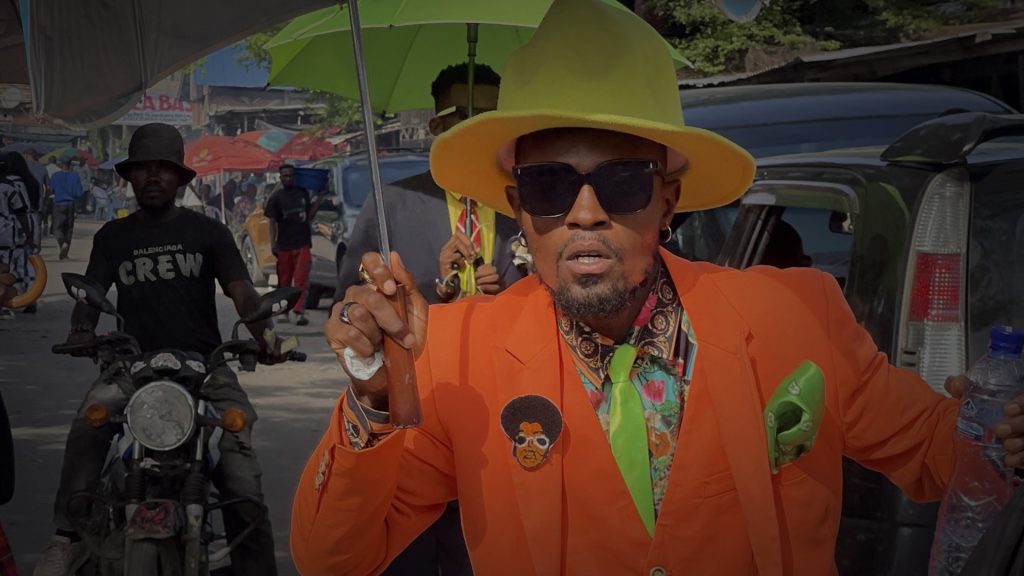
Meetings Kinshasa sapeurs/dandies
After breakfast, transfer to N’djili airport for 1 hour regular domestic flight to Mbandaka. Mbandaka city, formerly Equateurville, was founded by Henry Morton Stanley in 1883. Around 11 am arrival in Mbandaka, capital of the province of Equateur, the city located at the crossroads of the Congo River and the Ruki River. Transfer to the Nina River hotel to settle in and have lunch.
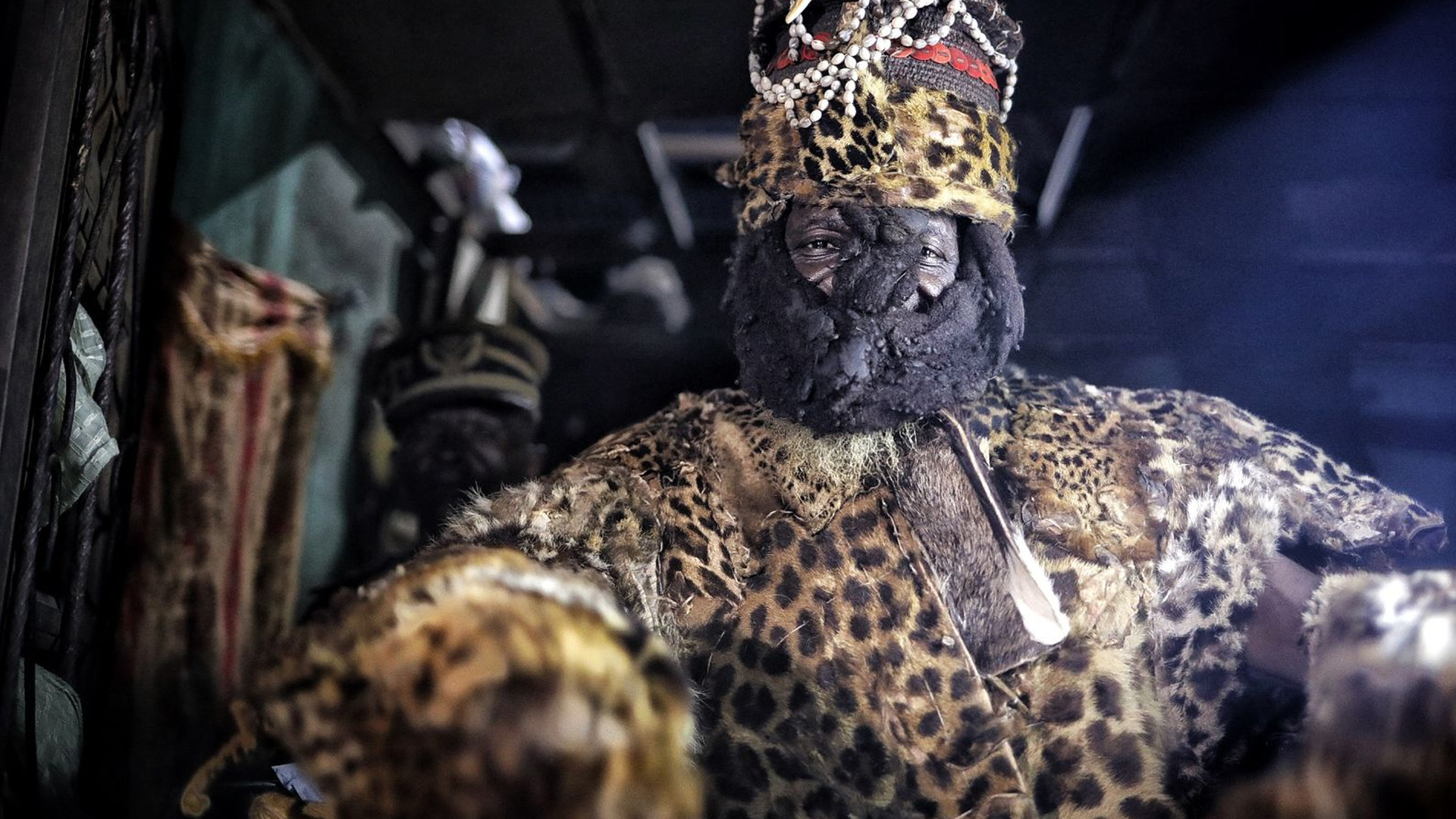
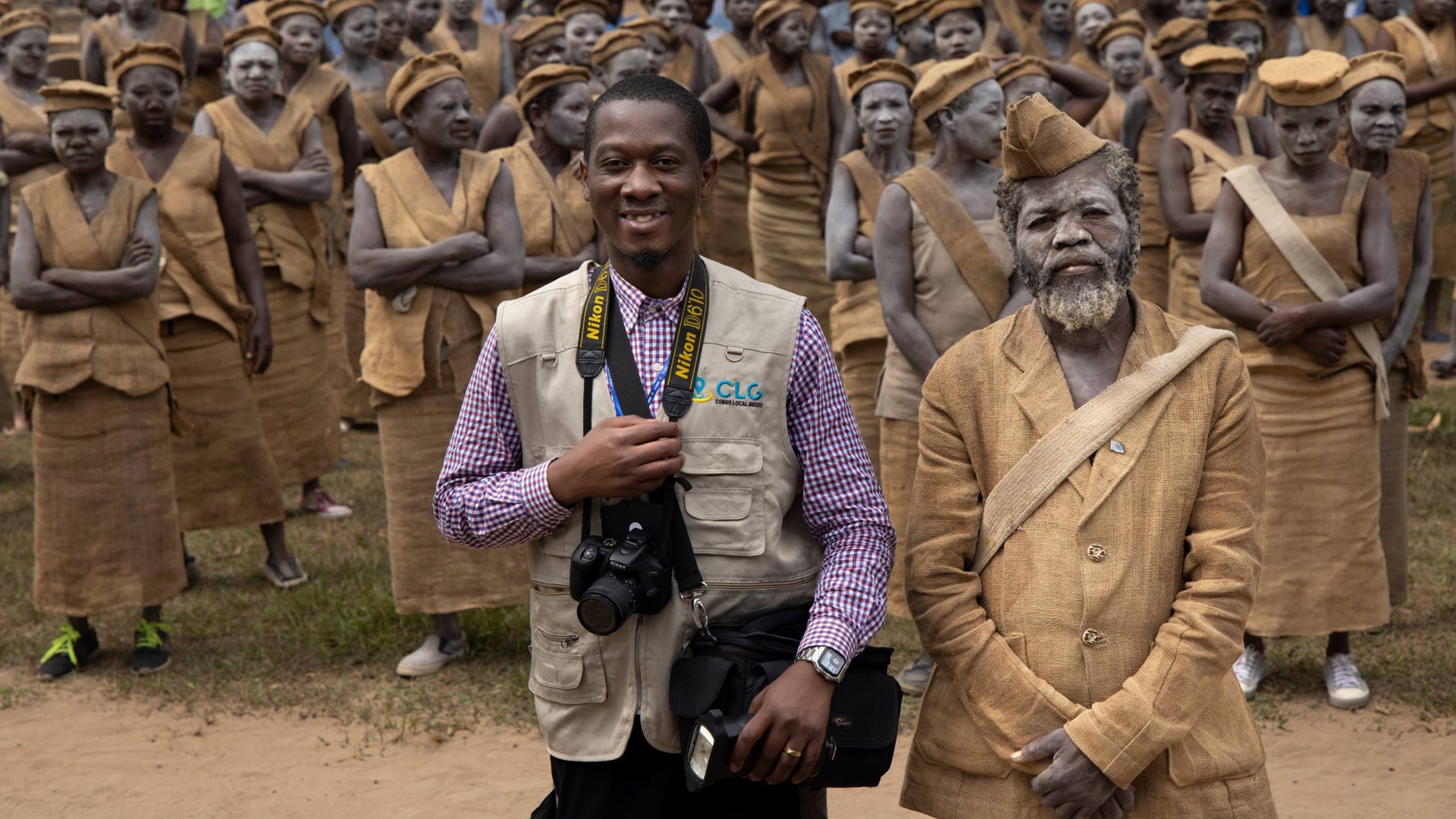
Around 2 p.m. we will visit Ethnographic Museum, the Botanical Garden of Eala and end of the day at the amazing sect called Nzambe ya Bakoko (God of Our Ancestors) who have their own king and their own militia dressed up in the unique uniform made of… plastic sacks. Return to the hotel for dinner.
After breakfast, we quickly reach the Mbandaka port and take a wooden motorboat upstream the mighty Congo River and its beautiful branch Lolanga (about 7-8 hours by boat based on weather conditions) to meet with Ngombe people. These people know how to live in the forest, hunting games and gathering edible snails and caterpillars to supplement their diet. They also harvest firewood, rattan vines, and several palm tree products to use and to take to market. Small gardens provide yams and plantains for household use. We arrive around 2-3 pm, meet with the local chief for briefing and later we attend series of Ngombe traditional rituals, initiations and ceremonies.
Today, after early breakfast, we’re attending the last of activities in the village before departing towards Mabako via Lopoko village, where live the last traditional Pygmies in the western part of DR Congo, the Balumbe. Arrival at the Lopoko village around 5 p.m. Visit the local church. Night in tents nearby the church.
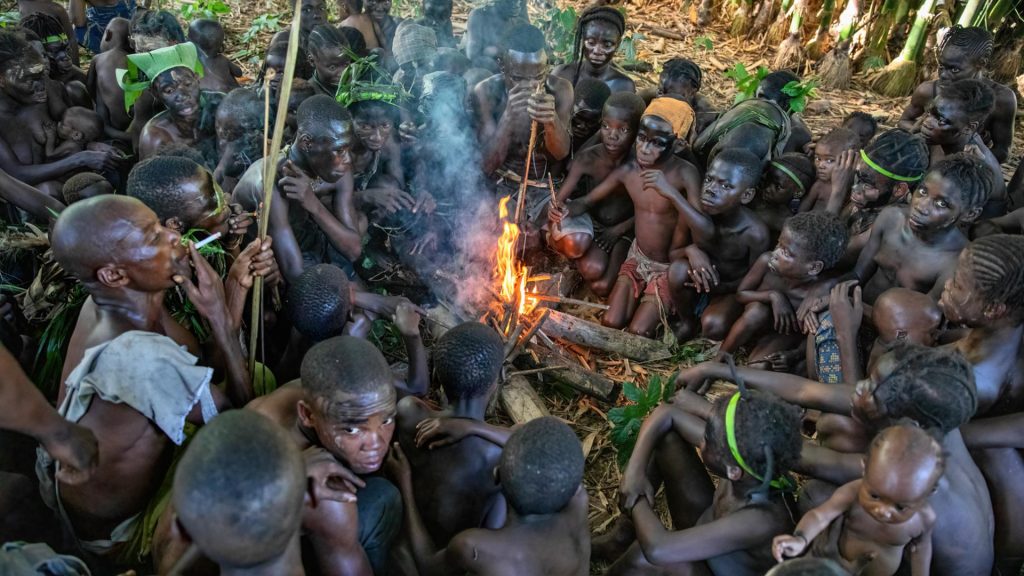
After breakfast, we leave the boat and we take the traditional canoe for an hour of navigation, then we will walk some 30-40 minutes to reach the Balumbe Pygmies village where we will stay one night. Upon arrival, a welcome dance by the Balumbe Pygmies followed by a presentation of notables from the community and then a break. Around 2 p.m. after lunch, visit of the school, tour of the village and adult dance. Evening around the fire animated by children under 7 years old with the famous Isankele dance. Night in tents.
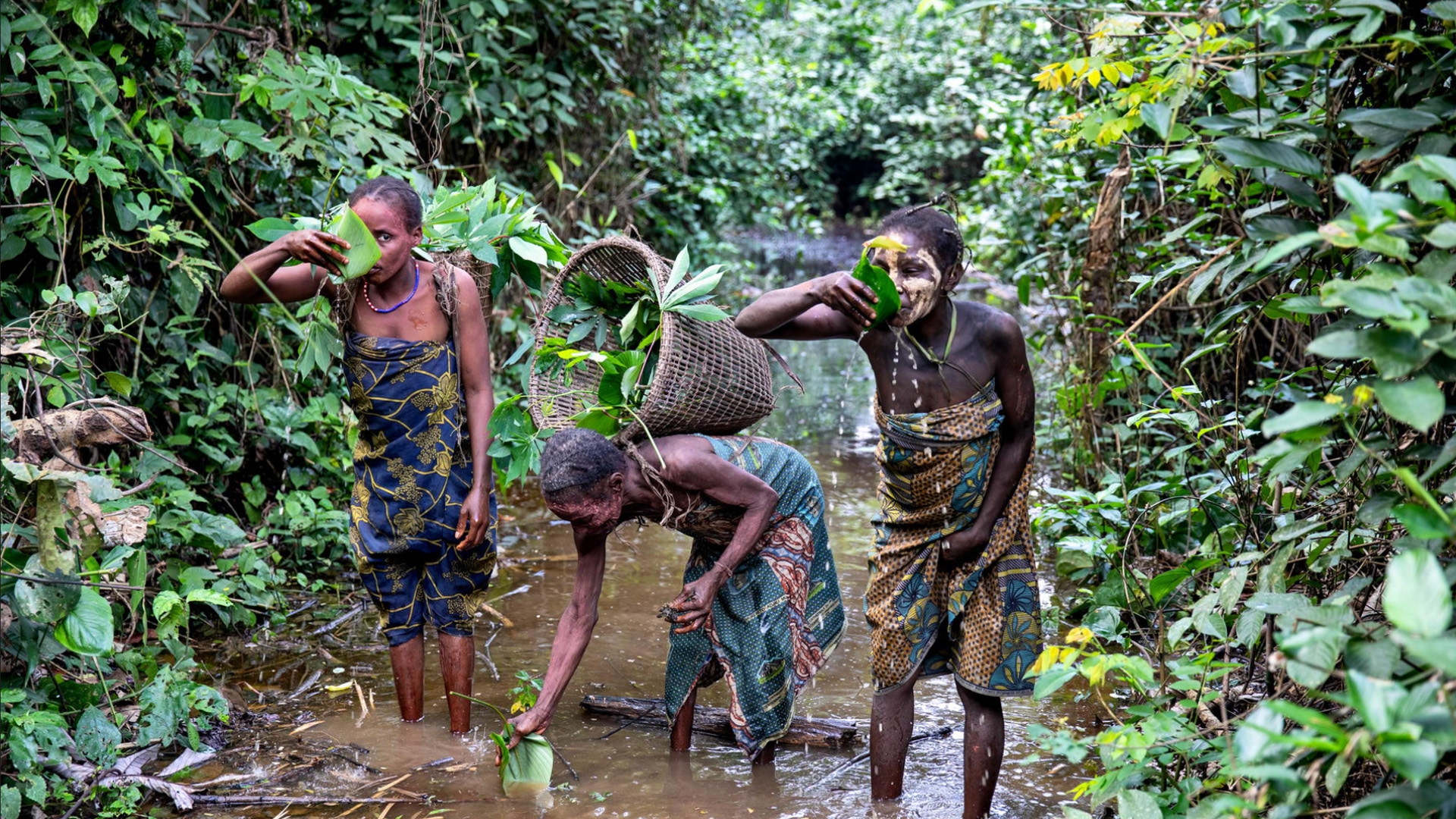
The Balumbe are a hunting and gathering pygmy tribe living in the primary forest of DR Congo. Nowadays, they are also dependent on fishing and some farming. After breakfast, we go out into the forest with Pygmies in order to observe hunting and traditional collecting wild bees’ honey from the high trees, and also to discover Balumbe’s knowledge of medicinal plants. Say goodbye to Balumbe and return to Lopoko village. Take the boat back to Mbandaka downstream Lolanga and Congo rivers. Arrival late in the evening. Night at our Nina River hotel.
After breakfast, if weather conditions and time permit, we optionally visit two Lokele villages to meet the tattooed old women. The visit may last up to three hours before crossing back to Mbandaka and take the road to the south of the city for the Mooto village with a stopover at the crossing of the Equator line. Mooto is an old Catholic mission established since 1960. Pitching and installation of tents, then visit of the mission, the cathedral and meeting with the village chief and free evening.
After breakfast, we take the vehicle to go to the Iyembe village to discover the Walléé women. Wallee is a special status of the women, who have just brought a baby, and it has very special visual expression. It is unique feature of the tribes in this region. Return to Mbandaka. Option to experience the atmosphere of Mbandaka and exhibit a few dance steps.
If the flight departs for Kinshasa at 4.10 pm as usual, the program may look as follows. If visit to Lokele villages was not done on Day 8, after breakfast, we visit the 2 villages to meet the tattooed old women. The visit may last up to three hours before crossing back to Mbandaka for lunch. In the afternoon (12.45 pm or so), transfer to Mbandaka airport. 1 hour flight to Kinshasa with scheduled flight.
Transfer to international flights – End of Services
Discover the places, landscapes and regions that shape this expedition.
Welcome to Kinshasa, one of Africa's largest and most electrifying cities, where the mighty Congo River forms its dramatic western border.
Explore Destination: Kinshasa