Current Health Information
June 2026
Ebola in the DRC: What Travelers Should Know
Ebola is once again an important public-health issue in the Democratic Republic of Congo.
In 2026, a major outbreak caused by Bundibugyo virus has affected several provinces. The situation is serious, but it is also important to understand that risk is not identical across the entire country.
For travelers, the key is to avoid panic, follow current official guidance and understand how Ebola is transmitted.
What Is Happening in the DRC?
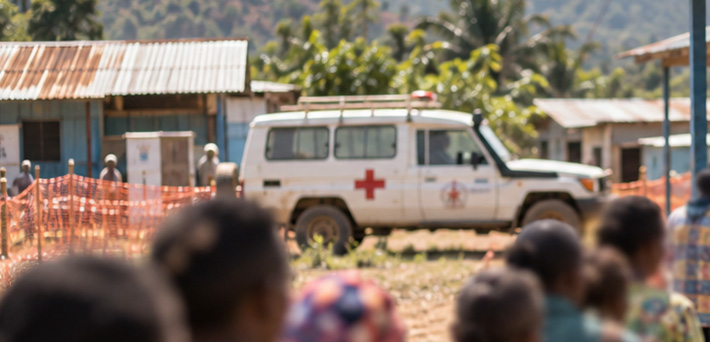
The current outbreak has affected multiple health zones across several provinces.
Transmission levels vary significantly from one region to another, which means travelers should look at the situation in the specific area they plan to visit rather than treating the whole DRC as one uniform risk zone.
Because the situation can change quickly, current information from the World Health Organization and local health authorities should always be checked before travel.
How Is Ebola Transmitted?
Ebola does not spread through ordinary casual contact in the same way as respiratory infections such as influenza.
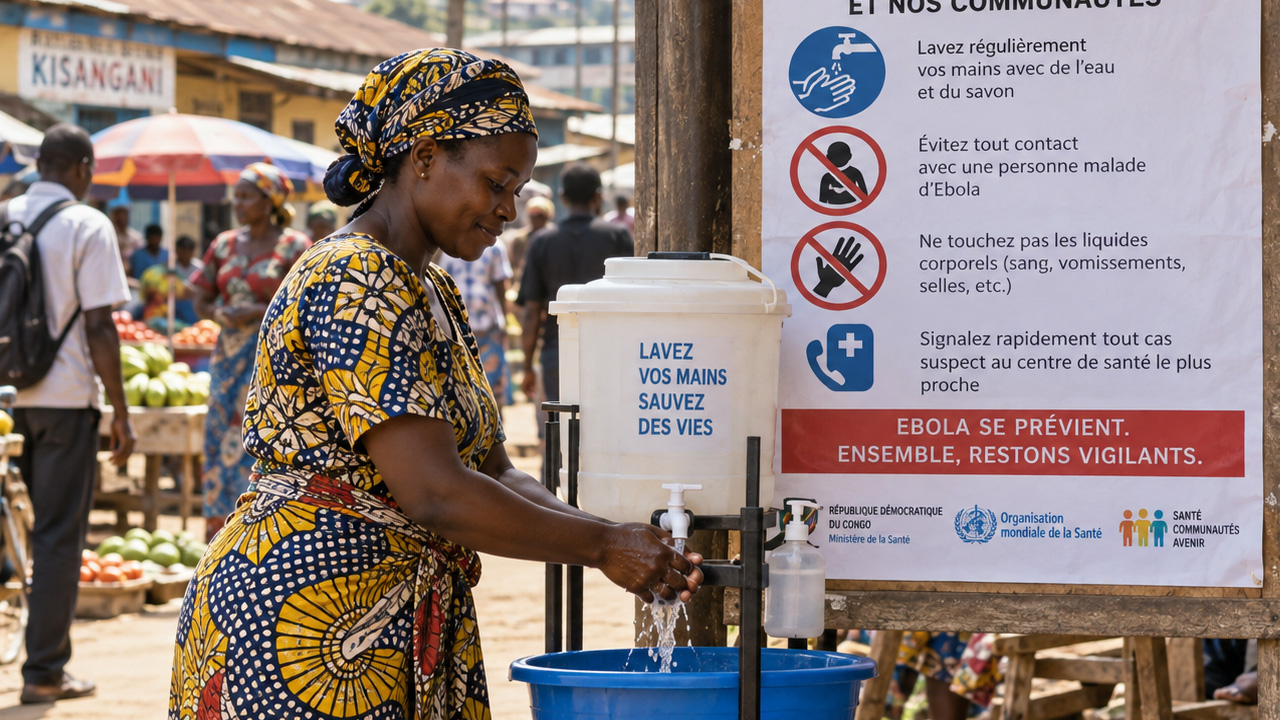
Transmission occurs through direct contact with the blood or body fluids of an infected person, contaminated materials, or certain infected animals.
For most travelers who are not providing medical care, attending burials or having direct contact with infected people, the risk can be reduced substantially by following established precautions.

How Can Travelers Reduce Their Risk?
Avoid direct contact with blood or body fluids from anyone who is ill.
Do not handle items contaminated with body fluids, and avoid contact with the bodies of people who have died from suspected or confirmed Ebola.
Travelers should also avoid handling bats, non-human primates or raw bushmeat of uncertain origin.
Good hygiene and following local public-health instructions remain important.
What Are the Symptoms?
Symptoms can include fever, severe headache, muscle pain, weakness, vomiting, diarrhea and abdominal pain.
Bleeding can occur in some cases but is not present in every patient.
Symptoms may appear between 2 and 21 days after exposure.
Because many common illnesses can cause similar symptoms, including malaria, diagnosis requires medical assessment and laboratory testing.
What Should You Do if You Feel Unwell?
If you develop symptoms after possible exposure in an affected area, seek medical care promptly and tell healthcare providers about your recent travel history.
Do not travel onward or visit crowded places while waiting for medical advice if Ebola exposure is a realistic possibility.
Early supportive care can improve outcomes.
Is There a Vaccine?
Vaccination depends on the Ebola virus involved.
There are licensed vaccines for Ebola virus disease caused by EBOV, including Ervebo.
However, the current outbreak in the DRC is caused by Bundibugyo virus. At present, there is no licensed vaccine specifically approved for Bundibugyo virus disease.
WHO is currently evaluating whether existing vaccines may provide protection, but their effectiveness against Bundibugyo virus in humans has not yet been established.
Should Travelers Cancel Their Trip?
An Ebola outbreak does not automatically mean that all travel to the Democratic Republic of Congo should stop.
The relevant question is where you are traveling, whether that area is affected and what current health and travel guidance says.
Conditions should be reviewed shortly before departure, particularly for journeys involving provinces affected by the outbreak.
Travel With Current Information
Health conditions in the DRC can change quickly.
Travelers should check current information from the World Health Organization, their own national health authorities and trusted local partners before departure.
Congo Local Guides reviews local conditions when planning expeditions and professional assignments and adapts routes when necessary. The goal is not to create fear, but to travel with accurate information and realistic preparation.
Last reviewed: September 2026
Always consult current WHO guidance and qualified medical professionals before travel.