
Haut-Katanga
Lubumbashi
Go beyond the surface to understand the real Congo — its economy, its people, and its untold stories.
Explore Destination: Lubumbashi
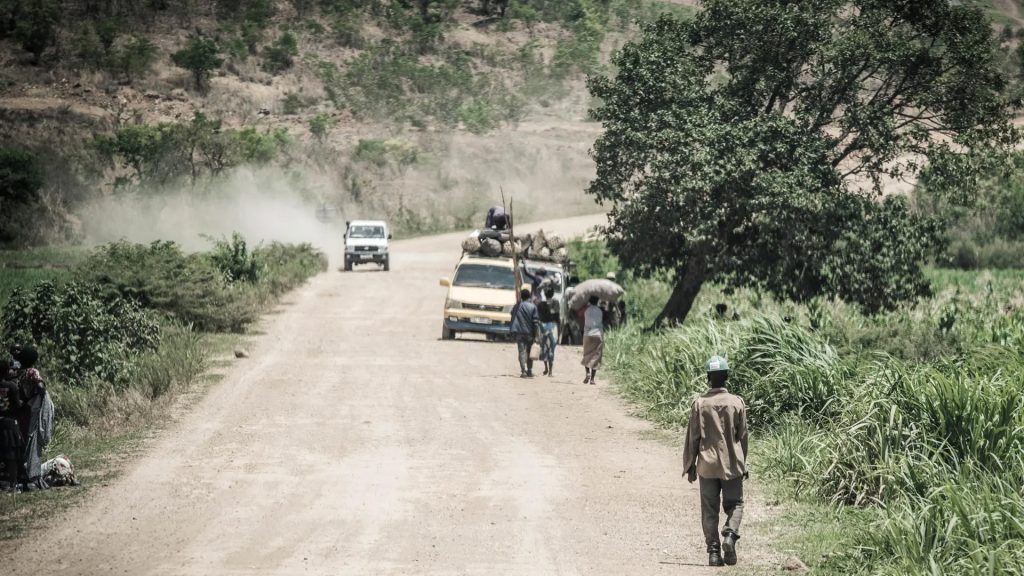

Pick up at Luano (Lubumbashi International Airport)
As international flights always lend in the Afternoon, you will be picked up and transferred to the hotel to rest and briefing the next day program.
After breakfast, we’re heading to ICCN Office to pick up travel documents and permits. At 10.00 am latest we depart for Kundelungu National Park. We arrive latest at 03.00pm We’re camping today at Kitwe Station. Today we’re briefed by the chief of the site on our next day visit. We also have a chance to have a short walking tour and bird watching experience.
Today we’re visiting Lofoi Falls and doing a 4WD safari to track existing wildlife. Though very hard to track due to poaching, existing wildlife are: antelopes, jackals, servals, porcupines, warthogs, snakes, monkeys, buffaloes, hippopotamuses, crocodiles, lions, guepards, leopards, zebras. Lofoi Falls: the highest in Africa (347m in one jet).
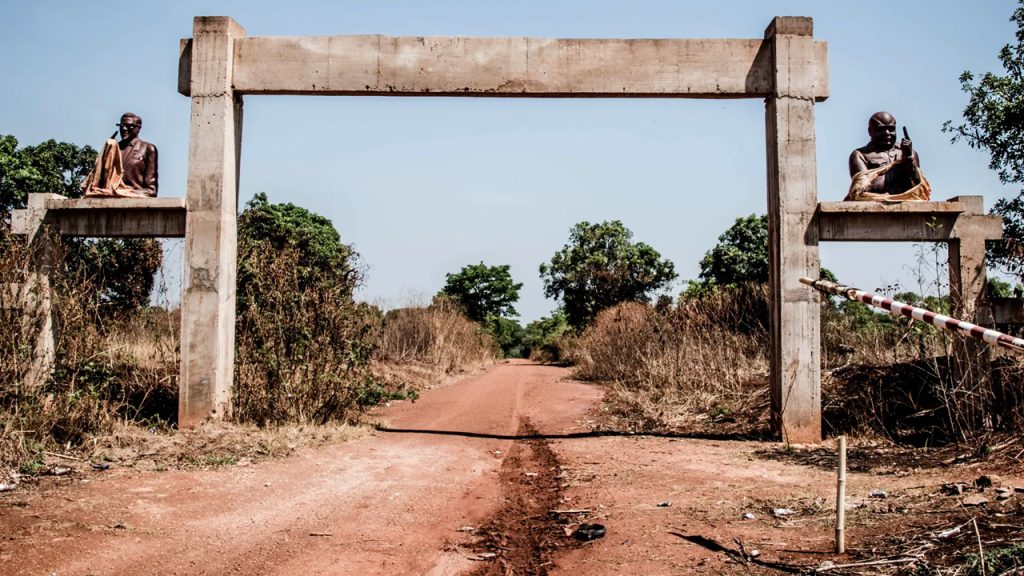
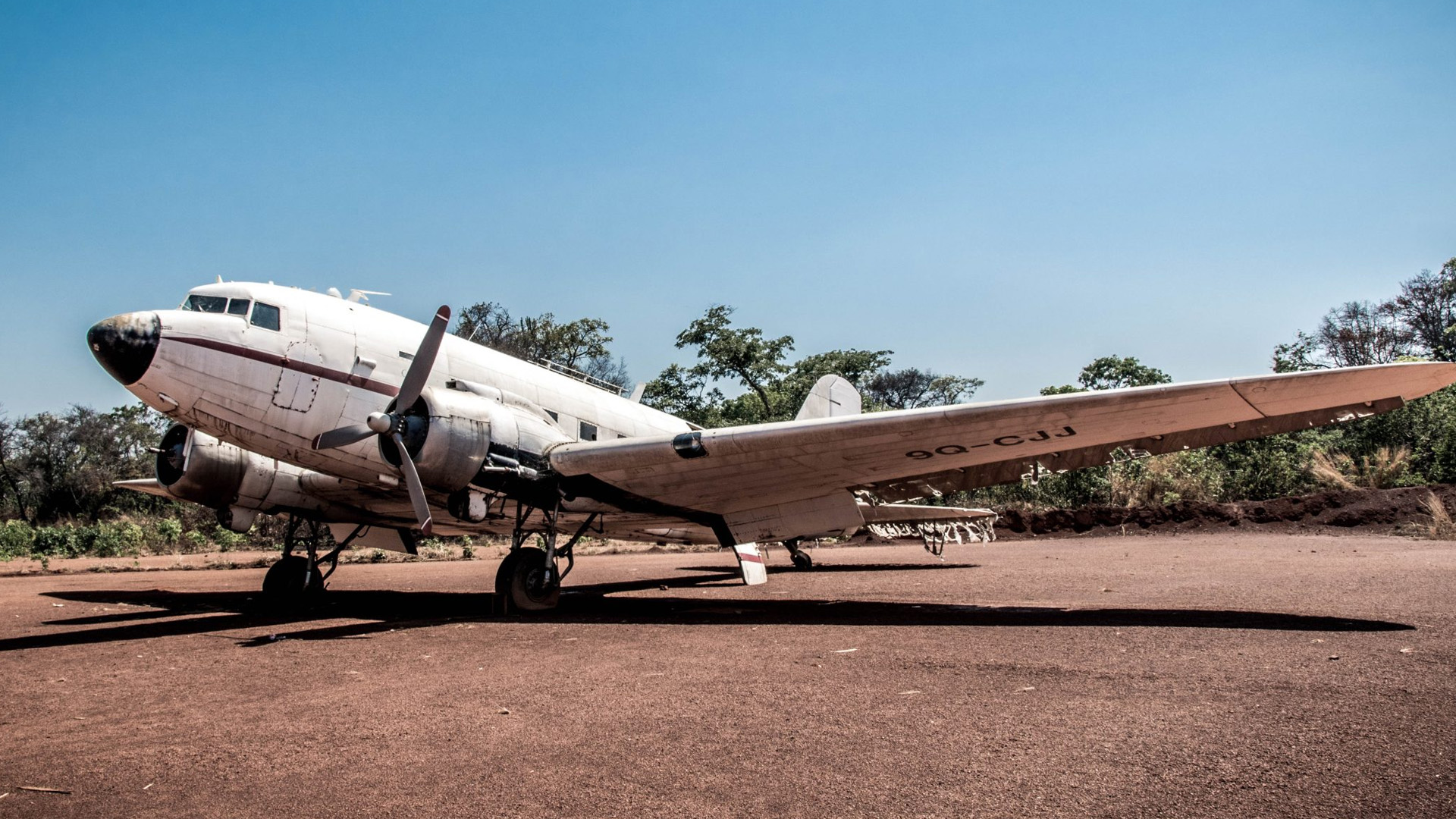
At 12.30 pm, we leave the park for 275 kms to Likasi and will have our next stop after 200 km [50 km after Lubumbashi] at Hero Lumumba assassination site. Lumumba is the first Congo National Hero who was actively involved in Congo Independence before being murdered for political reason on 17 Jan 1961. This is a full immersion and learning experience about Congo history, and mainly the independence war. The visit includes the plane that brought him from Kinshasa to Lubumbashi, the place where he was shot dead and where he was buried before being dug up and transferred to Kolwezi where his body was burnt in acid to remove traces. From here we’re driving to Likasi, where we’re having a city tour and rest. Likasi is a rich mineral and mountainous city, used to be in 1960s the Congo cleanest city, and colonially known as Jadotville.
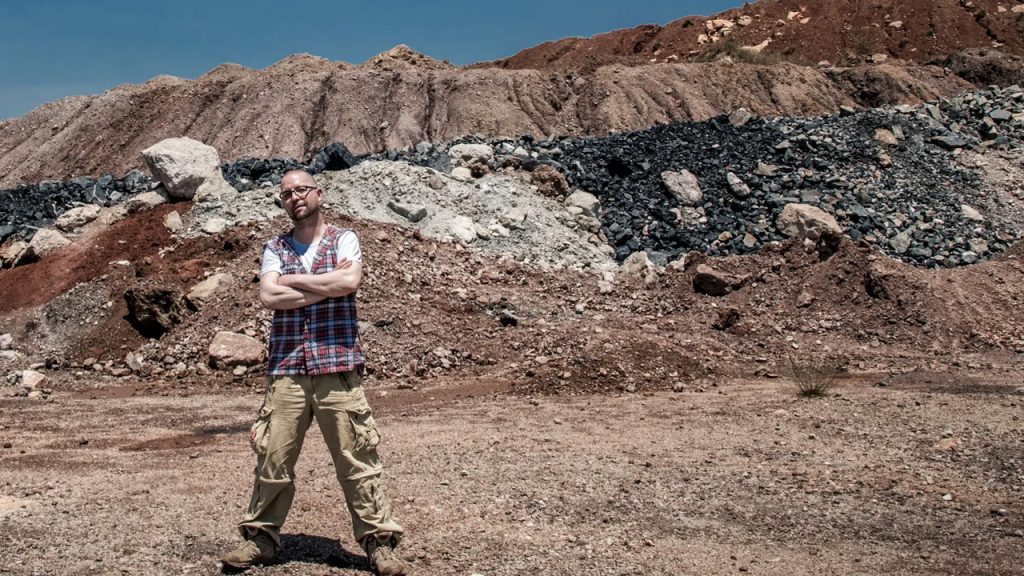
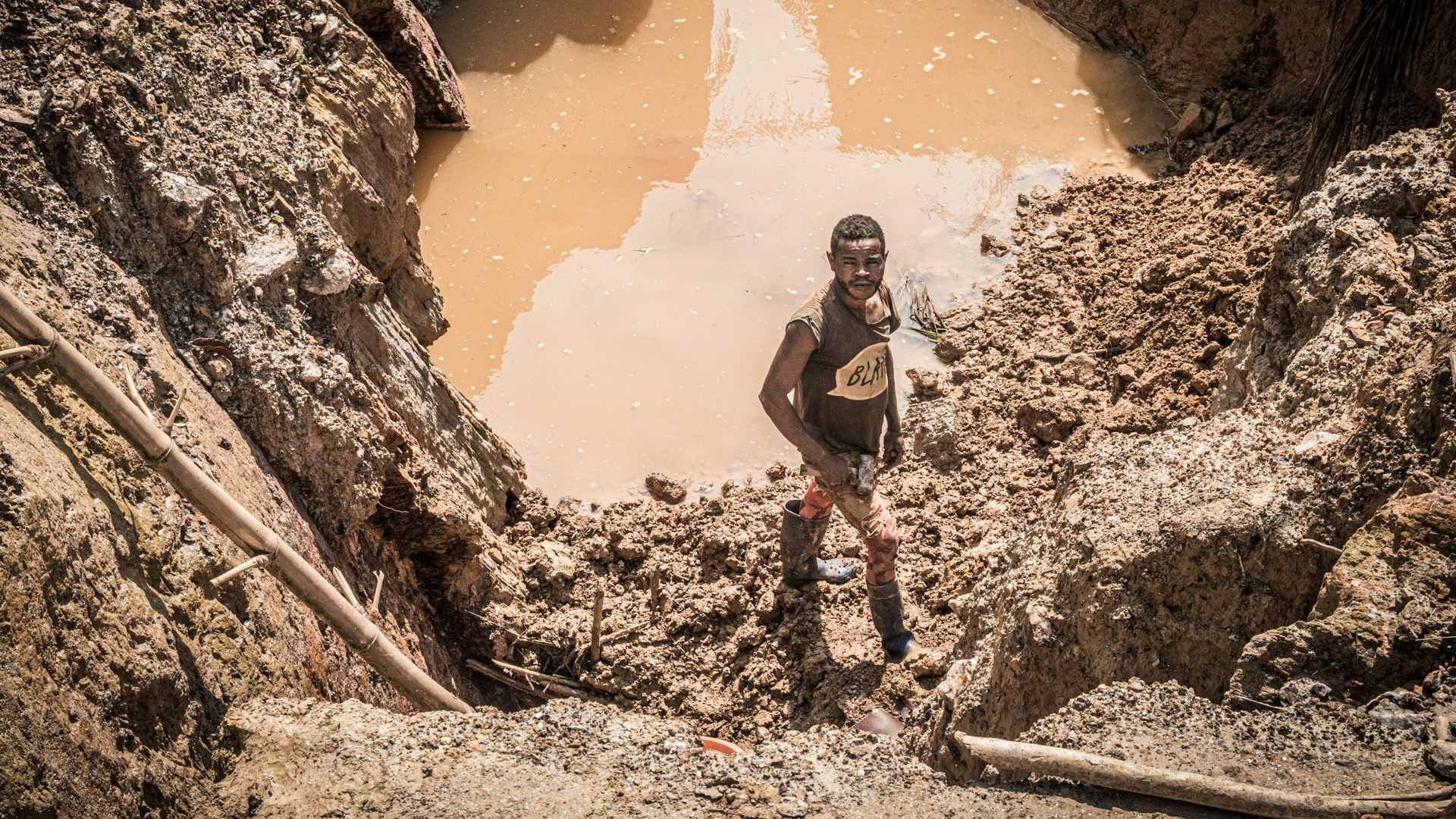
We’re driving from Likasi to Kisanfu artisanal cooper and cobalt mining. Since tourists are not allowed to access mine with the travel visa, we are arranging with a cooperative that can facilitate a smooth visit to these mines. It’s good to note that women are not allowed to step in digging area, they can see from a bit far but can’t approach tunnels as we did in Ntufia. The visit will nearly take us half a day before driving to Bunkeya.
Overnight in Bunkeya (next 158 kms). Our arrival is expected late evening time. We sleep in Guest House or camp in the king’s yard.
Bunkeya was discovered around 1879-1880 and historically known as capital of the M’siri Kingdom dominated by King M’siri, also the founder of Yeke Empire in Katanga, that played a major role in slave trade in the region (with influence over the actual Tanzania and Zambia). During this tour, you’re visiting what is today the Bayeke Chiefdom and the Former Gareganze Empire, meet with the chief and a local historian who will take you through the History, mainly how they resisted against the arrival of Belgian colonialists.
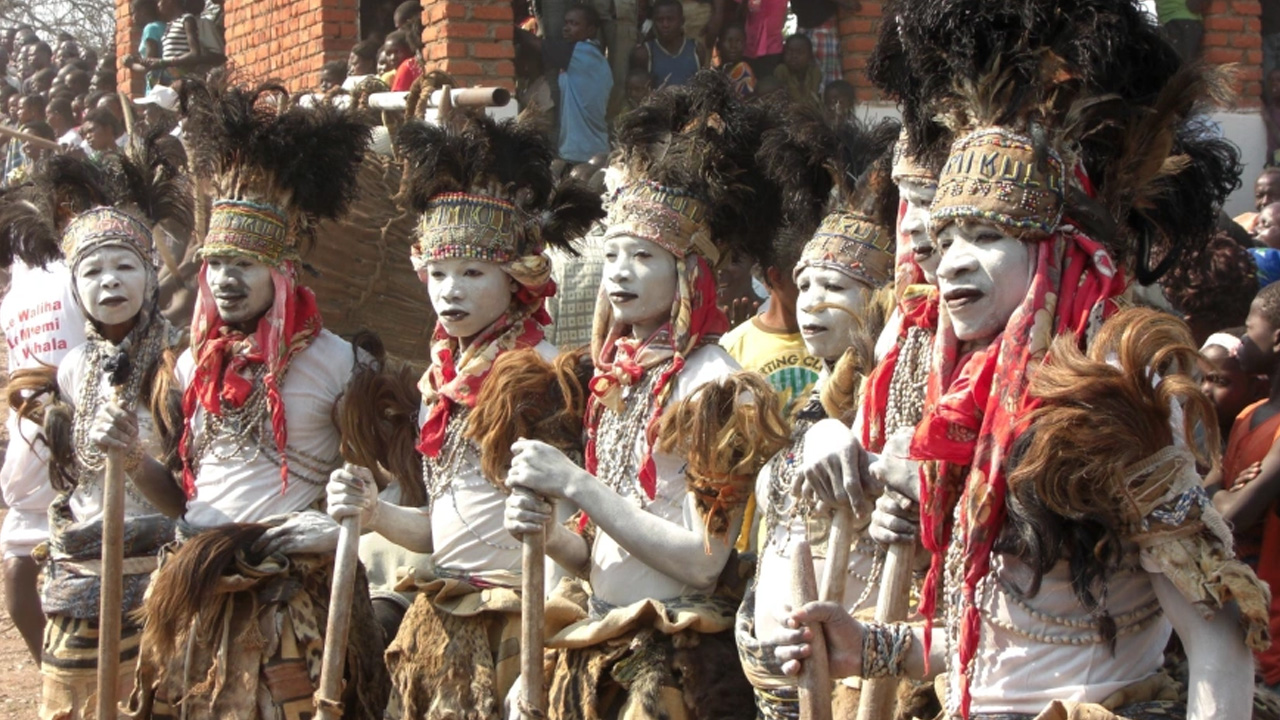
Today, before driving to Lubumbashi, we’re touring Bunkeya to learn about its history. The complete list of to do/see around include: The place where King M’Siri was murdered by the captain in the old neighborhood of Queen Mahanga and the grave in the vicinity that became the royal cemetery where are buried the Mwamis (kings) ; Mount Ikulu : place of M’Siri meditation ; The Queen Mary da Fonseca’s suburb ; The grave of Captain Bodson ; The palace and the royal court ; The market; the grave of Jean Bosco Mwenda Wa Bayeke (1930- 1990), who was a descendant of M’Siri… Quite popular in other African countries, particularly in East Africa, he was a pioneer of acoustic guitar Congolese music. Ancestral Yeke ceremony may be organized if requested in advance. (These activities may be completed in 5-6 hours)
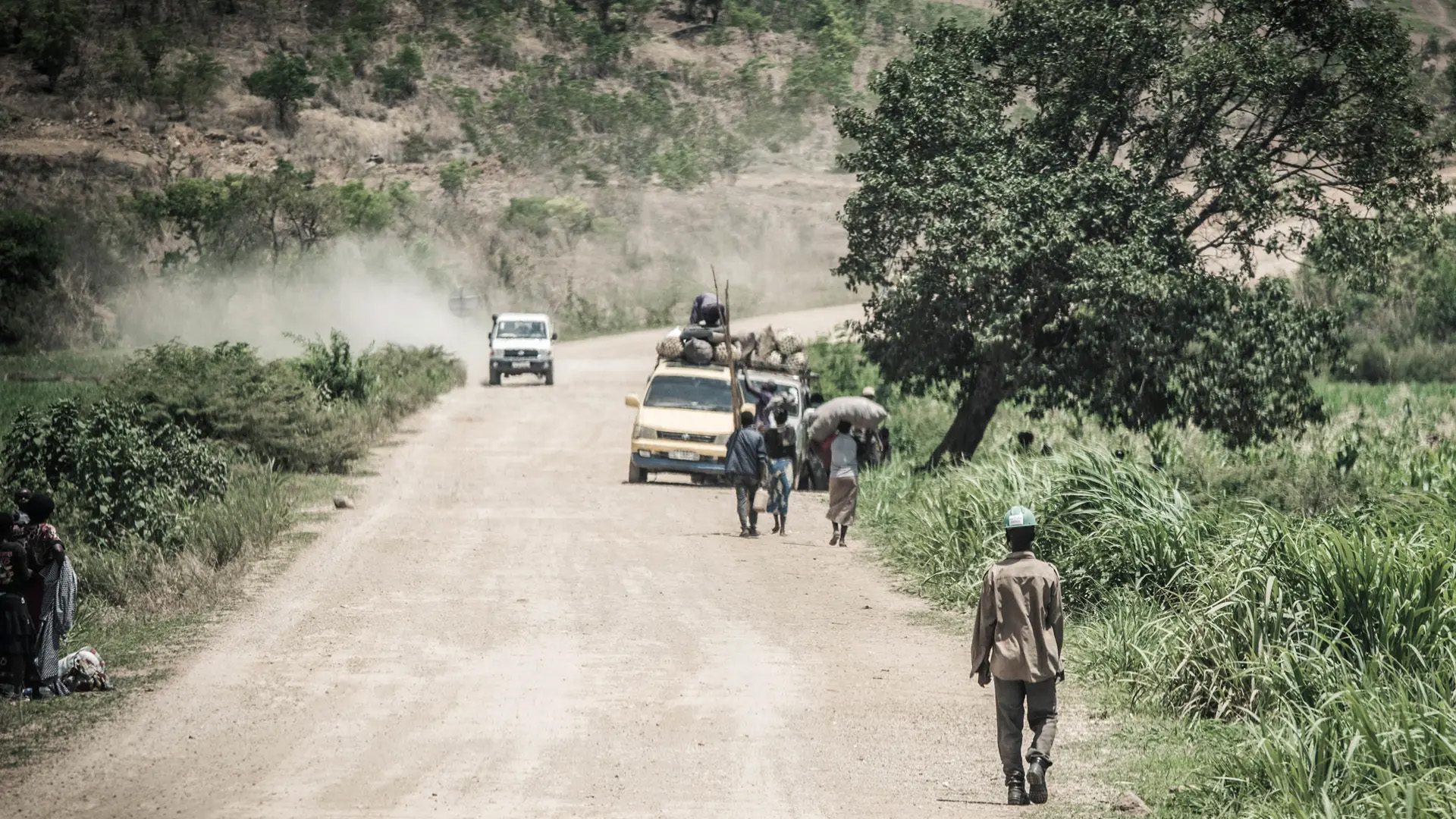
Around 12.00pm we drive to Lubumbashi for the next 200 km and arrive in the evening. The road is not that good, we can expect 4-6 hours’ drive.
In morning time, you will be picked from the Hotel after early breakfast to walk & drive to the following places:
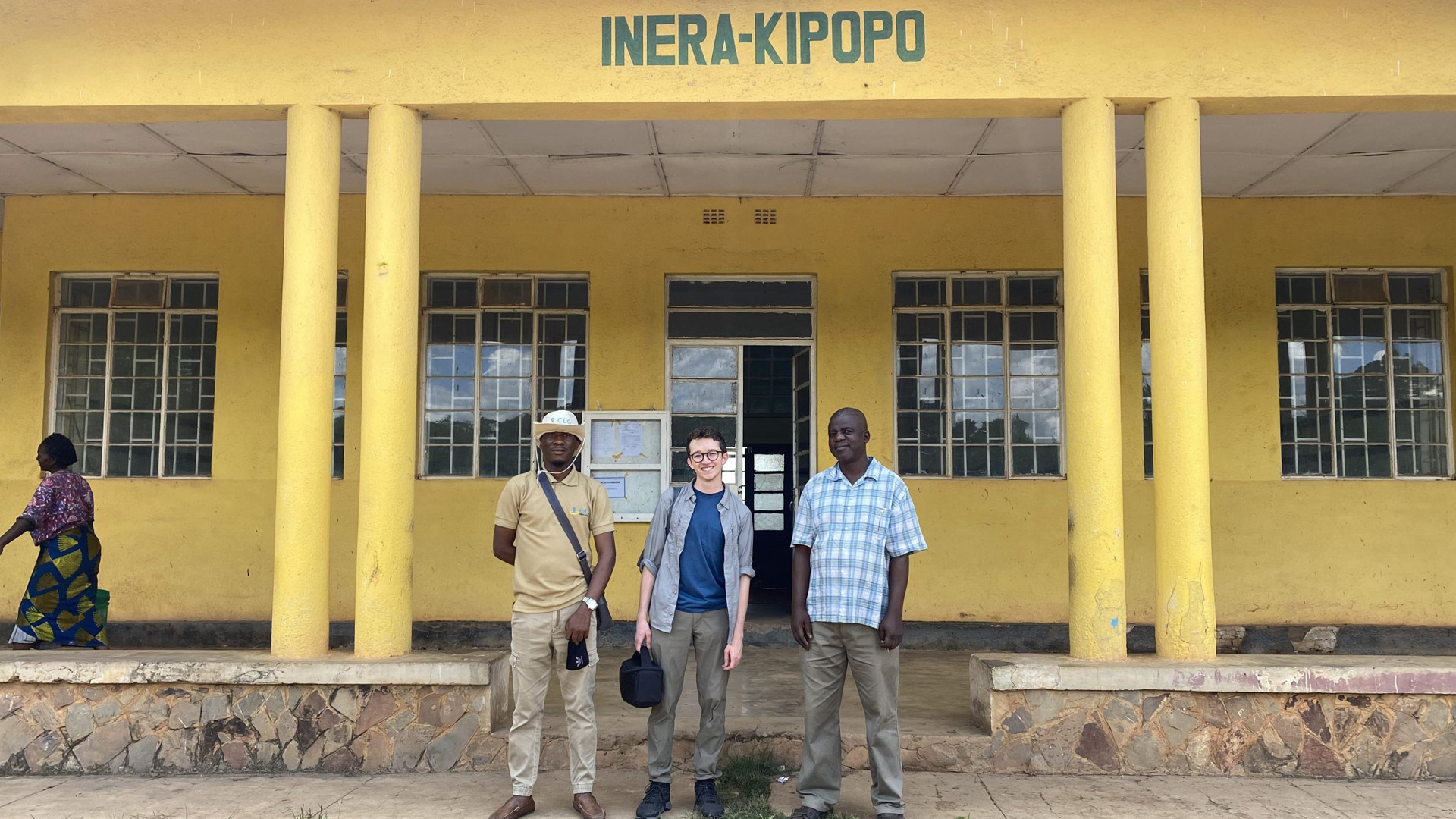
Kipopo Herbarium 07.30 – 11.00am
Located 25 kms of dirty road outside of Lubumbashi and created on January 1, 1945, the Kipopo Herbarium is the oldest in central and southern Africa. It initially was part of the “Institut National pour l’Etude Agronomique du Congo (INEAC)”, during the Belgian colonization. It incorporates collections of the former “Comité Spécial du Katanga” (CSK). The station keeps 25,000 specimens, including for carnivorous plants endemic to Congo and to East and Southern Africa. Outside of the herbarium, it is expected to learn about the history of the station, visiting surrounding farming and fishing projects. With a 4×4 Jeep, we can expect to spend 3-4 hours before being back in the city.
La Katuba I Market of Lubumbashi 11.00 – 11.30am
As everywhere in Congo, local markets are different from what you may expect: They’re colorful, bordered with dense street markets and an immense movement of people calling for an exceptional appreciation and an opportunity to buy any tool you may have forgotten to pack from home. We all want to eat organics, and yes of course you will get fruits, vegetables, butcher, fishmonger, and experience street food cook as well as buy hardware, loincloths, dishes, jewelry, etc. It is located 6 kms from Down Town.
Lubumbashi zoo 12.00 – 12.30 pm
The reputable and the oldest in Africa, the Lubumbashi zoological garden is an initiative of the friends of the Lubumbashi Zoo, also known as AZILU, that has set up a plan for the reconstruction and welfare of animals. Onsite animals to be visited include a various number of species that would take you thousands of miles traveling: the Giraffes, Antelopes, and unjoined lion, Tigers, Hippos, Buffalo, Monkeys, fish, birds, Reptiles, Crocodiles and you can possibly have your Breakfast on site and interestingly, a rain of souvenirs photos.
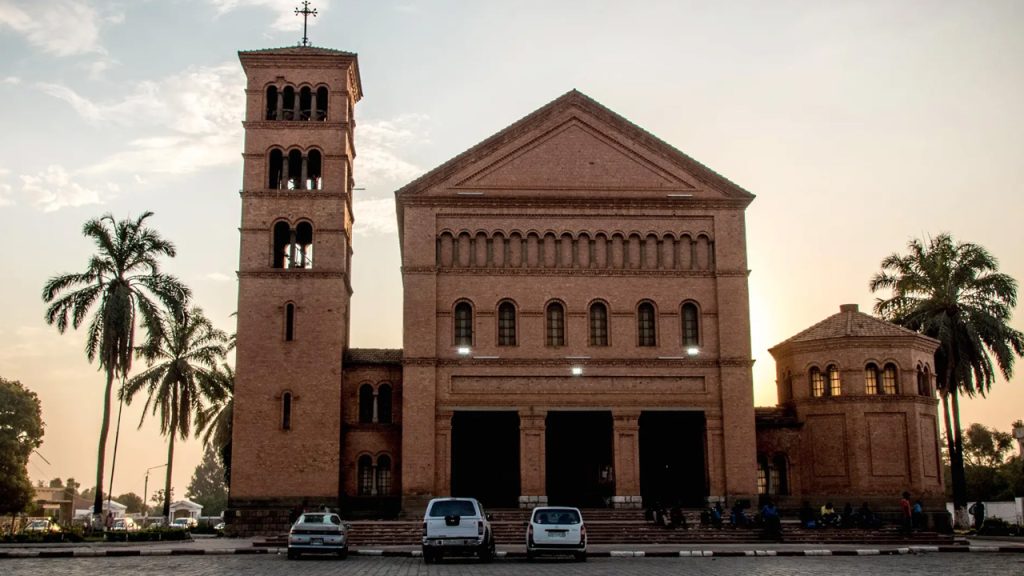
Saints Peter and Paul Cathedral in Lubumbashi 12.45 – 1.00 pm
One of the oldest colonial churches in the city with its imposing look. The Saints Peter and Paul Cathedral is a religious beautiful building for the faithful Catholics, located between the Upenda and Kasa vubu avenues of the city of Lubumbashi. If you would like to pray outside of visiting, we will help by sharing their program.
National Museum of Lubumbashi 1.30 – 2.00 pm
Coming from the cathedral we drive for about few kilometers up to the National museum of Lubumbashi. It’s formerly a Contemporary Art Gallery of the Lubumbashi Art Museum. Furthermore, it is truly a place that traces the history of different Katangese, Congolese and African tribes, a permanent and nonprofit institution serving society and its development. Among activities onsite, it offers the opportunity to follow different films on the evolution of humanity. Interestingly, it has never been renovated since the Congo independence, allowing you to find it at its original state with original and old objects find anywhere else.
The Museum shares knowledge about history, art, nature, human sciences and technology. Finally, your visit remains a monumental learning experience as it provides you a clear idea of Congo history, tribes and people. Further, it contributes in keeping the museum alive and supporting the whole Congo nation.
Kasombo Prison 2.30 – 3.00 pm
From the Museum by car driving, we drive for an hour passing by the Karavia road west of Lubumbashi to reach the Lubumbashi Kasomo prison, this is the first and the oldest prison in Lubumbashi, it was considered as the safest prison to keep dangerous prisoners. However, it is today considered a sacred place of worship and meditation mainly because of the church leader who was imprisoned in.
The Church Leader Simon Kimbangu1 (922-1951), venerated by his followers, was also known for his fierce position against colonialism. Considered as an agitator, the colonial power will finally sentence him to life imprisonment and send him to serve his sentence in Kasombo Prison, Lubumbashi.
Old and colonial architectures
These are part of the most interesting things to see when walking around the city. The construction in colonial Congo took shape not only through architectural ideas and models imported from the metropole or according to the common guidelines of Belgian colonial policies, but also via a complex process in which many diverse spheres of influence were at play. On our way to highlights, we will pass by: the old Lubumbashi theater actually hosting the parliament, the old Lubumbashi Town Hall actually hosting the administration of commune services, the justice palace, the Greek orthodox church, Belle Vue Hotel, Lubumbashi railway station, etc.
As per booking you will be transferred whether to the airport or to the border, in case you want to exit through Zambia. Or alternatively, start a new itinerary.
Discover the places, landscapes and regions that shape this expedition.
Go beyond the surface to understand the real Congo — its economy, its people, and its untold stories.
Explore Destination: Lubumbashi